
We measure our work the way the C-suite measures theirs: in revenue growth, margin expansion, and enterprise value.
Enter The Brand Performance LabYears shaping brand strategy for growth-stage and established businesses.
Pivotal client engagements delivered across six continents.
Industries served, from healthcare to technology to financial services.
In enterprise value influenced.


After a national search, the organization then known as the American College of Physician Executives selected The Blake Project to lead an ambitious rebranding effort. The organization needed a clearer market position, a stronger identity, and a brand capable of aligning more closely with the physicians most important to its future. In the research phase, The Blake Project helped leadership better understand target customers, key competitors, and the perceptions shaping the organization’s position in the market. We explored the brand’s strengths, weaknesses, opportunities, and threats, uncovering important insights into how the organization was viewed and where confusion was limiting its impact. One significant issue was the overlap created by the ACPE acronym, which contributed to confusion with other organizations. We used these insights to guide the organization through brand positioning, brand storytelling, naming, tagline development, and customer touchpoint design. The result was the American Association for Physician Leadership, a name and identity that clarified who the organization is, reduced marketplace confusion, and aligned the brand more closely with the needs and aspirations of its target audience. Today, the organization has a more strategic approach to marketing, a clearer and more relevant position in the market, and a brand identity built to drive growth. The work required our brand research, brand strategy, naming, brand storytelling, and customer experience expertise.

A global leader in cardiac and vascular care, Abbott Vascular develops breakthrough technologies and therapies designed to improve and extend lives. In highly specialized medical categories, where clinical performance is essential but brand meaning still matters, the company sought a stronger strategic approach to building and managing its brands. Abbott Vascular selected The Blake Project to lead a wide range of B2B brand strategy initiatives across its portfolio. We helped position two of its largest product brands, MitraClip and the $1.5 billion Xience brand, infusing both with greater emotional appeal for their target audience of interventional cardiologists while preserving the scientific and clinical credibility required in the category. Both brands are leaders in their respective markets. Beyond positioning these flagship products, The Blake Project was selected to measure brand equities, position new product brands, develop messaging pillars, and design and deliver a comprehensive brand education program for marketing teams. This work helped the organization move from brand activity to a more disciplined brand management system. The result was a stronger strategic foundation for the portfolio, more compelling product brand positioning, and a unified set of tools and frameworks that improved how Abbott Vascular manages its brands. Today, our methodologies and frameworks serve as a core part of the company’s brand management infrastructure. The work required our brand research, brand strategy, brand storytelling, and brand education expertise.
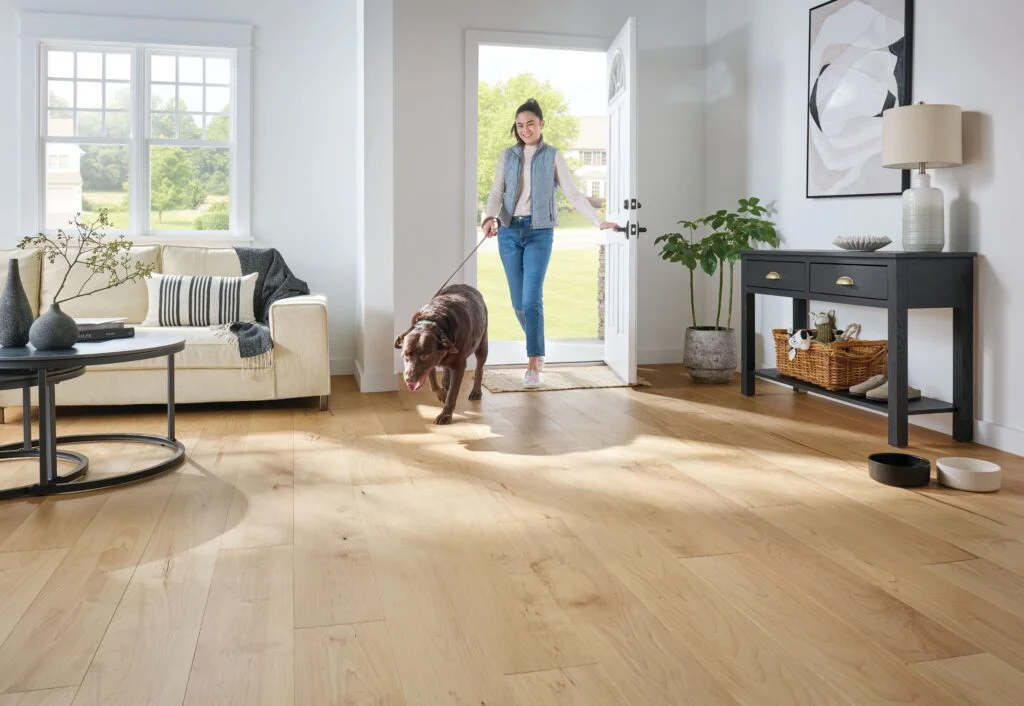
A private equity-backed leader in hard surface flooring, AHF Products managed a complex portfolio of residential brands and businesses. As the company grew, portfolio sprawl, channel conflict, and overlapping brand roles created inefficiencies that limited growth and diluted market clarity. With a mandate to accelerate growth from $750M to $1B, AHF turned to The Blake Project to help the CEO and leadership teams across the portfolio create a more focused and strategically aligned brand system. More than a portfolio exercise, this business growth initiative required leadership alignment, sharper strategic choices, and better stewardship of the company’s brand assets. Working closely with the CEO, CMO, and leadership team from across the brands, we helped streamline the portfolio from 16 brands to 10, clarified the role and positioning of each remaining brand, and created the architecture and guardrails needed to reduce channel conflict and improve execution. We also designed and delivered a marketing summit to help the broader organization become better stewards of their brands, building the understanding and discipline required to carry the strategy into the business. The result was a more focused portfolio, stronger alignment across leadership, and a clearer path to growth, equipping AHF to compete more effectively and scale toward its $1B objective with greater precision. The work required our brand strategy, brand architecture, and brand culture expertise.

In the crowded women’s professional apparel market, Ameliora needed more than attractive product. As a startup entering a category filled with established players, the brand needed to stand for something meaningfully different and create new value for ambitious professional women.
The Blake Project was engaged to define the brand’s go-to-market strategy and help shape the foundation of the business. Through a brand positioning workshop, we worked closely with the founders to identify the market opportunity, clarify the forces that could influence the brand’s trajectory, and define the deeper role the brand could play in customers’ lives.
Our work explored a critical shift in the marketplace: the rising power, influence, and ambition of women in the workplace. We identified an opportunity between traditional brands like Brooks Brothers and Anne Taylor, a space where style, aspiration, and achievement could come together in a more meaningful way. From this, we helped define Ameliora not as a brand merely in the apparel business, but in the success business for professional women. That strategic decision elevated the brand beyond functional and self-expressive benefits and gave it emotional relevance tied to advancement, confidence, and achievement.
The Blake Project also developed the Ameliora name and the tagline Limit Less. Achieve More. Together, they expressed a brand positioned to champion the success of professional women and provided a clear lens for future decisions across the business.
The result was a more distinctive and emotionally resonant market entry strategy, giving Ameliora a sharper position in a crowded category and a stronger foundation for growth.
The work required our brand strategy, naming, and brand positioning expertise.
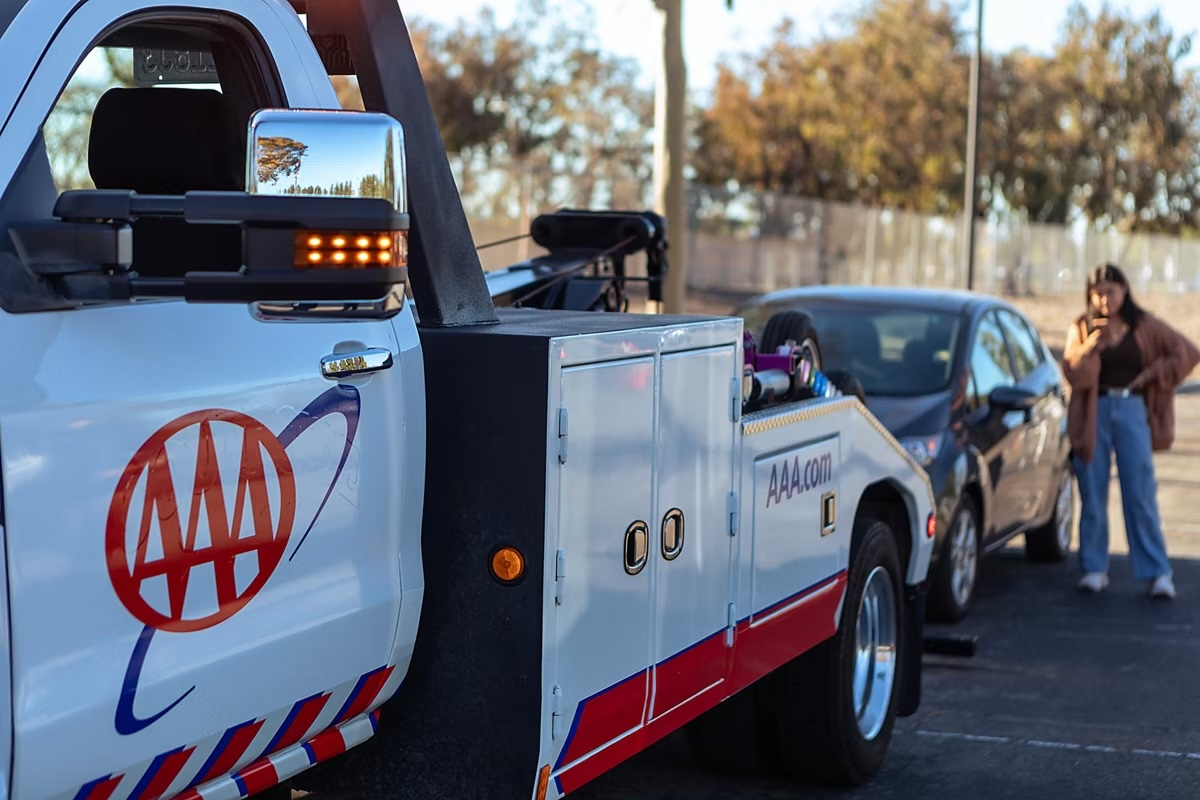
For more than 100 years, AAA has helped motorists through one of the most recognized membership brands in America. As the organization evolved, its marketers needed a stronger understanding of how to build deeper emotional connections with members while continuing to steward a trusted legacy brand. AAA selected The Blake Project for our depth of expertise in brand strategy and emotional connection. We designed and delivered a learning journey that combined the fundamentals of building strong brands with a deeper focus on the emotional drivers that strengthen preference, loyalty, and long-term value. The result was a more capable marketing organization, better equipped to build emotional relevance into the AAA brand and apply that thinking more effectively across its brand decisions and communications. The work required our brand education, brand strategy, and emotional connection expertise.
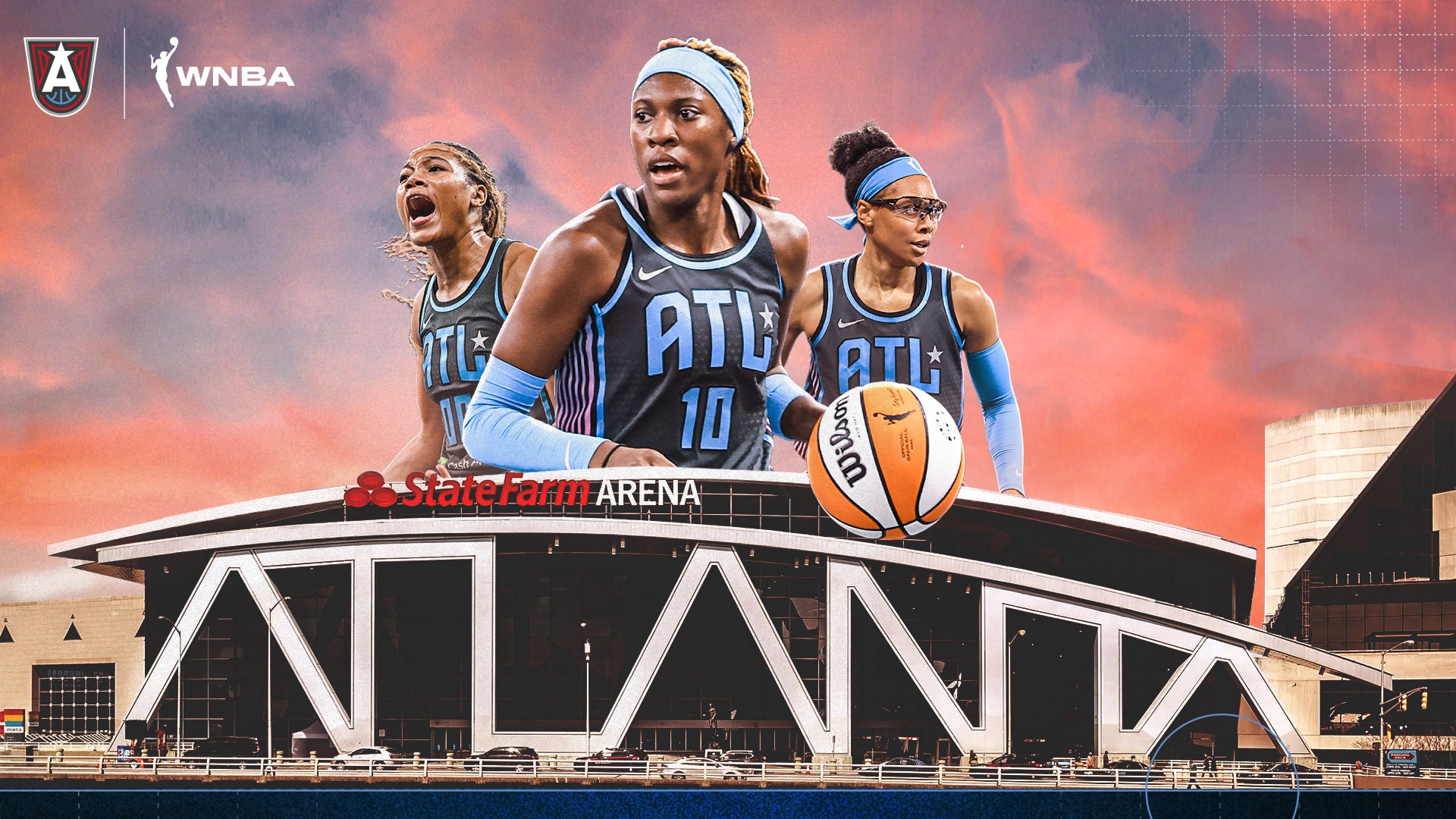
The Atlanta Dream engaged The Blake Project to define a sharper brand strategy and a more valuable role in a crowded sports and entertainment market. In a city with strong cultural gravity and no shortage of options competing for attention, the brand needed greater clarity on what it should mean, who it should matter to most, and how it could build stronger relevance over time. Working with leadership, The Blake Project helped clarify the brand’s positioning, identify the audiences most critical to its future, and shape a more compelling brand story rooted in the character, ambition, and cultural energy of Atlanta. The work focused on building a brand with greater emotional pull, clearer differentiation, and a stronger foundation for fan engagement, partnership value, and long-term growth. The result was a more strategically grounded brand platform, giving the organization a clearer point of view, stronger cultural relevance, and a better foundation for growth on and off the court. The work required our brand strategy and brand storytelling expertise.

A global leader in eye health, Bausch + Lomb is dedicated to protecting and enhancing the gift of sight for millions of people around the world. Within its Vision Care division, the company manages important brands that serve consumers and eye care professionals across highly competitive categories where trust, clarity, and product relevance are essential. Bausch + Lomb selected The Blake Project for a range of strategic, creative, and educational initiatives designed to strengthen the performance of its Vision Care portfolio. Our work included pivotal assignments on the Boston and Renu brands, helping the organization sharpen positioning, strengthen brand expression, and better connect brand strategy to market execution. The opportunity was not simply to support individual projects, but to help ensure that key brands in the portfolio were managed with greater strategic discipline and expressed in ways that could build stronger preference among both professionals and end users. That required a combination of clear thinking, effective communication, and educational support capable of turning brand strategy into action. The result was stronger alignment around important Vision Care brands, more effective brand-building tools and programs, and a stronger foundation for sustaining relevance and growth in a category where confidence and credibility matter deeply. The work required our brand strategy, creative development, and brand education expertise.
.webp)
Bluegrass Cellular, a regional wireless provider rooted in Kentucky, engaged The Blake Project to strengthen its competitive position against national carriers and clarify its role in the lives of the customers who mattered most to its future. Working with leadership, we led brand positioning and brand storytelling workshops designed to define the company’s most valuable target audience, sharpen its strategic focus, and build a more compelling and differentiated brand. The work centered on identifying small community families as the primary target, uncovering their emotional drivers, and aligning the brand to meet those needs. From this, we defined a clear brand essence: “Enabling Meaningful Connections,” and positioned the brand to balance hometown service with the right technology, a critical distinction in a category dominated by large national competitors. We also helped articulate the brand’s “enemy” as isolation, reframing the business from a telecommunications provider to a brand that plays a meaningful role in people’s lives by keeping them connected. This was supported by a clear brand promise, personality, and strategic direction designed to strengthen emotional, distinctive, and connective advantage in the market. The result was a clearer, more differentiated brand platform that strengthened internal alignment, improved market relevance, and provided a strategic foundation for growth. That foundation proved critical. Bluegrass Cellular was ultimately acquired by Verizon, validating both the strength of its network and the strategic clarity of its position in the market. The work required our brand strategy and brand storytelling expertise.

A fast-growing brand in the baby carrier category, Boba selected The Blake Project to build the strategic infrastructure needed to manage current momentum and support a higher trajectory for growth. As the business expanded, leadership needed greater clarity on what the brand should stand for, how it should connect with customers, and how to create a stronger strategic foundation for future decisions. The Blake Project helped shape that foundation through consumer research, brand positioning, and brand storytelling. This work revealed the idea of Freedom Together, a powerful articulation of the emotional and functional value at the heart of the brand. The result was a clearer strategic platform for growth and a brand idea that continues to guide both the business and the brand today. The work required our brand research, brand strategy, and brand storytelling expertise.
Brady Trucking engaged The Blake Project to help the company stay relevant in a highly competitive industry where attracting and retaining qualified drivers is critical to growth and operational success. The challenge was to strengthen how the brand connects with drivers, both as a recruitment tool and as a means of building loyalty and retention in a market defined by high turnover and increasing expectations. We worked with leadership to clarify the brand’s value to drivers, identify the factors that influence their decisions, and shape a more compelling positioning for attracting and keeping talent. The result was a stronger, more relevant brand platform designed to improve driver recruitment, increase retention, and support the long-term competitiveness of the business. The work required our brand strategy and workforce brand expertise.

The world’s first digital concierge selected The Blake Project to help build the strategic infrastructure for its competitive future. As an early mover in a new category, the company needed more than awareness. It needed a clear definition of the unique value it could own and a sharper way to communicate that value to the market. The Blake Project helped leadership clarify the brand’s positioning and identify the messaging priorities most important to growth. At the center of the strategy was a simple but powerful idea: building a frictionless experience that connects consumers with choice and desire. The result was a clearer strategic foundation, a more focused value proposition, and a stronger messaging platform to guide growth in an emerging category. The work required our brand strategy and brand storytelling expertise.
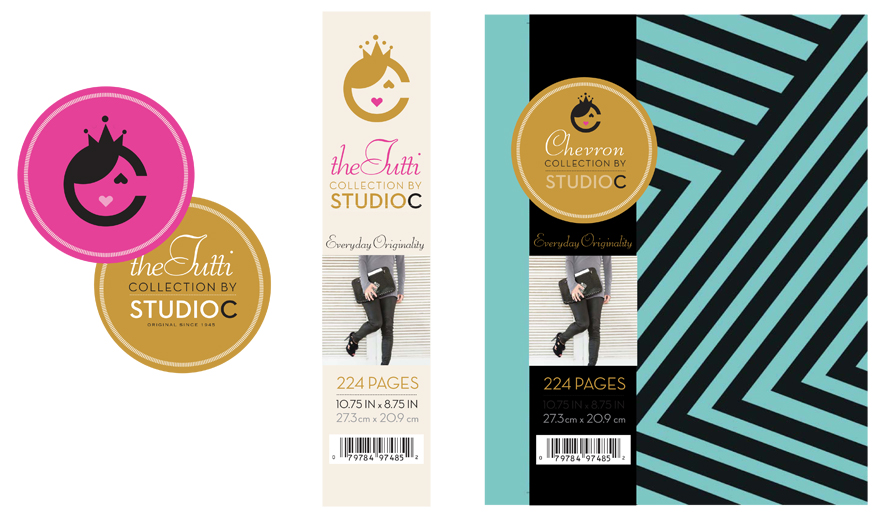
Carolina Pad engaged The Blake Project to rebrand Studio C and strengthen how the brand creates value in a crowded category. Leadership wanted a clearer understanding of the customers most important to its future and a stronger market position that would shape perceptions of the brand as both high-value and uniquely relevant. The work began with brand equity measurement to understand what value Carolina Pad was delivering and where the brand held the strongest potential in the minds of current and prospective customers. From there, we guided the leadership team through brand positioning strategy to define a more distinctive and compelling place for Studio C in the market. We then connected that positioning to a stronger and more transcendent brand story, clarified the brand architecture, and identified internal brand gaps in both what the company does and how it does it. We also helped shape customer touchpoint design so the brand promise could be delivered more consistently in the market, while benchmarking against best practices and identifying metrics to track progress. In addition, The Blake Project rebranded Studio C, creating a new brand identity that brought the strategy to life visually and reinforced the brand’s more distinctive position in the marketplace. The result was a clearer, more differentiated brand with a stronger strategic foundation, a more compelling story, and a disciplined framework for growth and brand management. The work required our brand research, brand strategy, brand storytelling, brand architecture, brand identity, and customer experience expertise.
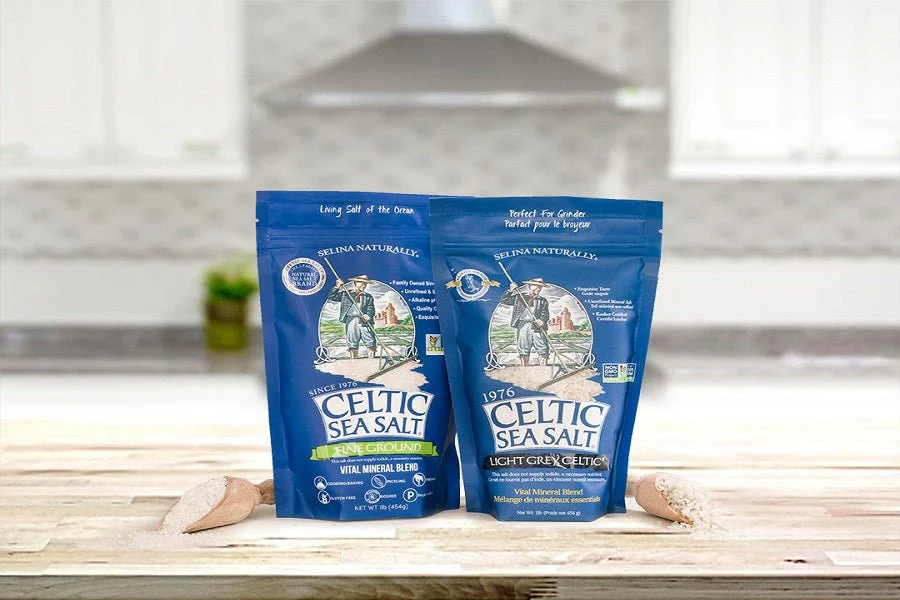
The executive leadership team of Celtic Sea Salt selected The Blake Project to help the business overcome barriers that were limiting growth. As the company expanded, issues across brand architecture, brand growth, and brand strategy were creating confusion for customers and weakening the brand’s ability to compete effectively. Working closely with leadership, The Blake Project helped untangle these issues and bring greater clarity to how the brand should be structured, expressed, and grown. We identified where confusion was diluting value, clarified the strategic role of the brand, and created a stronger foundation for more focused growth. We also identified a new revenue stream through brand licensing and advised on protecting the company’s intellectual property to ensure the brand could be extended without compromising its value or integrity. The result was a clearer brand strategy, reduced customer confusion, stronger protection of brand assets, and a more disciplined platform for growth supported by new revenue opportunities. The work required our brand strategy, brand architecture, licensing, and IP advisory expertise.

A 50-50 joint venture of Snecma Moteurs of France and General Electric Company of the United States, CFM International is a leading producer of aircraft engines for commercial and military aircraft and holds a dominant share of the short- and medium-haul market. CFM engaged The Blake Project to conduct a comprehensive global brand equity study at a time when long-horizon strategic decisions carried major implications for the business. Because aircraft engine programs shape the future of the company for decades, leadership needed a clearer understanding of how the brand was perceived across the aviation ecosystem and what forces would matter most going forward. We conducted extensive research across a wide range of stakeholders, including airline CEOs, appraisers, bankers, lessors, cargo companies, and MROs, as well as procurement leaders, finance teams, fleet managers, and senior executives. This work was followed by one-on-one interviews with key industry leaders to uncover current and anticipated issues shaping the category. The result was a deeper, fact-based understanding of CFM’s brand equity, the needs and perceptions of its most important stakeholders, and the issues likely to influence future demand. CFM used this research to refine its marketing strategies and help inform its next-generation aircraft engine initiatives, decisions with long-term strategic importance for the company. The work required our brand research and brand strategy expertise.

CLUSE, the Amsterdam-based watch brand known for inspiring millennial women to celebrate their individuality together, was growing rapidly across six European markets. But like many emerging success stories, the brand was scaling faster than the strategic infrastructure needed to guide its next phase of growth. Leadership understood that one of the most important decisions facing the company was not simply how to grow, but how to grow with clarity. They turned to The Blake Project to help define the foundational elements that would shape the future of the business. We led the leadership team through a process to build consensus around the brand’s Mission, Vision, Values, Positioning, and Strategic Storytelling. This work gave CLUSE a clearer reason for existing, a stronger internal compass for decision-making, and a more disciplined platform for expansion across markets. The result was a more strategically grounded brand, better equipped to scale, align its organization, and sustain growth with greater clarity and confidence. The work required our brand strategy and brand storytelling expertise.

As one of the most iconic brands in the world, Coca-Cola faces a rare challenge: finding new ways to extend a brand already recognized almost everywhere. For the Winter Olympic Games, Coca-Cola turned to The Blake Project to help identify and execute new strategies for brand extension on one of the world’s biggest stages. The opportunity was to create a branded experience that would deepen engagement, expand reach, and unlock new commercial value while staying true to the meaning and power of the Coca-Cola brand. The Blake Project developed an integrated licensed merchandise program that gave Coca-Cola greater clarity and confidence in how to extend its presence at the Games. The result was significant: we helped quadruple Coca-Cola’s original conservative retail revenue projections. We also supported the strategy, design, contract negotiation, and execution of the Coca-Cola Olympic Pin Trading Center, which became a focal point of the brand’s Olympic presence and a highly visible expression of fan engagement. The result was a stronger brand extension strategy, a more immersive Olympic presence, and materially greater commercial return from a global sponsorship platform. The work required our brand strategy, licensing, and brand activation expertise.

As one of the world’s largest manufacturers of contact lenses, CooperVision distributes high-quality lenses through a global network spanning 12 countries across five continents. In a category crowded with options, the company engaged The Blake Project to develop the brand strategy for a new global product targeting eye care practitioners. The product introduced meaningful new value through next-generation eye care technology, delivering an optimized combination of comfort, wettability, and oxygen transmission. But functional advantages alone would not be enough. To win in the market, the offering needed a clearer value proposition, one deeply connected to practitioner needs and meaningful to patients as well. Through a brand positioning workshop, The Blake Project helped define the product’s primary target customer, brand essence, and brand promise, resulting in a highly differentiated positioning. From there, we moved into naming strategy and identified Biofinity as the most advantageous name for the new offering. The result was a more compelling market position, a name aligned with the product’s value, and a stronger platform for launch and growth. Biofinity is now the market leader. The work required our brand strategy, brand positioning, and naming expertise.
After identifying stronger brand management and marketing discipline as critical to elevating the capabilities of its marketing organization, Darden selected The Blake Project to design and deliver a focused brand education and training program. The opportunity was not simply to teach marketing concepts. It was to help Darden’s marketers become better stewards of their brands by building the strategic understanding, decision-making skills, and practical tools required to manage them more effectively. Through an interactive training approach, The Blake Project helped bridge key learning gaps and gave Darden’s marketing team the frameworks and techniques needed to make stronger brand decisions, align strategy with execution, and create more value through the brands they manage. The result was a more capable and strategically grounded marketing organization, better equipped to manage brands with greater clarity, consistency, and discipline. The work required our brand education and brand management expertise.

As artificial intelligence moved from emerging technology to strategic business priority, Deloitte recognized that technical capability alone would not be enough to win in the market. The firm needed a differentiated brand strategy that could translate complex cognitive technologies into a clear, credible, and compelling advantage for clients. To identify the strongest path forward, Deloitte engaged multiple partners to develop brand strategies with the highest likelihood of success. The Blake Project was selected to help shape and evaluate the strategic options, bringing a brand lens to one of the most important innovation opportunities facing the business. Our role was to help create and analyze potential platforms for expressing Deloitte’s AI capabilities in ways that could put cognitive technology into real-world action. This required moving beyond technical language to define strategic territory that clients could understand, value, and trust. We assessed the strength and potential of each strategic direction, helping leadership determine which approach had the greatest capacity to differentiate Deloitte in the market and support long-term growth. The result was a clearer and more actionable strategic foundation for how Deloitte could position its AI capabilities, connect innovation to client value, and build a stronger market narrative around cognitive technology. The work helped shape the strategic thinking behind the AI platform Deloitte continues to employ today. The work required our brand strategy and innovation strategy expertise.
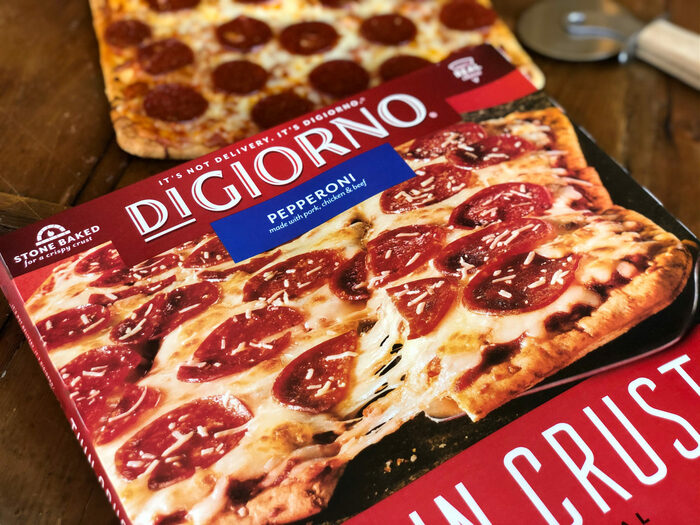
As the leading brand in frozen pizza, DiGiorno turned to The Blake Project to help strengthen its market position and identify new opportunities for growth. In a category shaped by changing consumer expectations and intense competition, leadership wanted a deeper understanding of where the brand could extend its advantage and how to connect more meaningfully with target customers. Through our approach to brand research and strategy, we helped uncover the shared values linking DiGiorno to its audience and identified new opportunities to strengthen relevance, preference, and growth. Our work gave leadership greater clarity on what mattered most to consumers, where the brand held permission to win, and how to build from a position of strength. The result was greater confidence in the brand’s strategic direction and a stronger foundation for protecting and expanding DiGiorno’s leadership. The work required our brand research and brand strategy expertise.
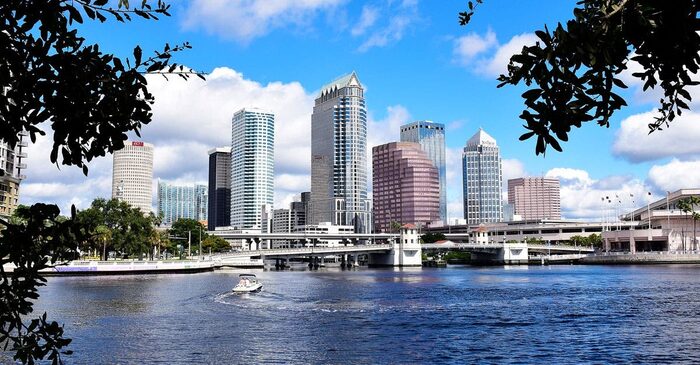
The Blake Project was chosen to lead the effort to position Downtown Tampa as a thriving destination for residents first, and for businesses and visitors second. At the time, the city needed a clearer and more unified story to express its value, align key stakeholders, and compete more effectively with other urban centers. We worked with the mayor and the city’s leading employers and institutions to gather stakeholder input, define the brand position, and build consensus around the elements that would guide the city forward, including target customers, brand essence, brand promise, and brand personality. An important part of the work was eliminating marketplace confusion, as Tampa was using messaging too similar to that of its chief competitor, Orlando. We helped the city establish a clearer, more distinctive position and brought its most important stakeholders into alignment around it. The result was a stronger, more coherent market position that helped accelerate growth. Downtown Tampa grew 36% while comparable cities grew 17%, demonstrating the value of clear differentiation, stakeholder consensus, and a more strategically aligned brand. The work required our brand strategy and stakeholder alignment expertise.
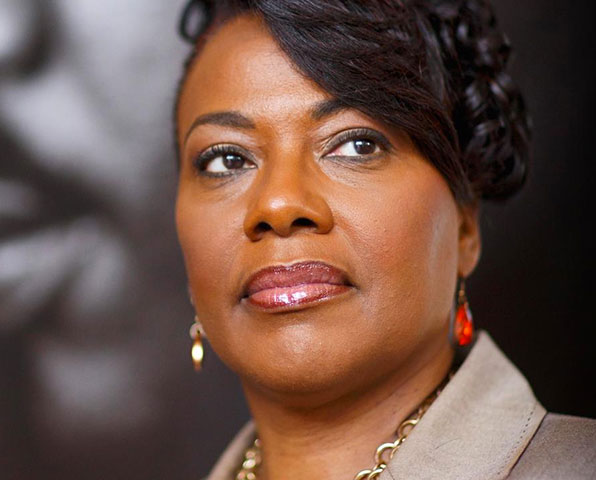
Dr. Bernice King, global thought leader, peace advocate, and CEO of The King Center, engaged The Blake Project in April 2020 to build the strategic foundation of her brand, work that had never been formally done before. At a time of heightened tension, social unrest, and renewed demands for justice and equality, the need was clear: ensure that Dr. Bernice King’s brand would resonate powerfully with those already driving social change and with those being called to it. The Blake Project helped define the strategic core of her brand, including target audiences, brand essence, brand promise, brand personality, and key messaging pillars. This work created a clearer and more intentional platform for how Dr. King shows up, communicates, and extends her influence in the world. The result was a stronger, more disciplined brand foundation that has informed more than 100 interviews and official correspondence with world leaders, helping ensure that her voice carries greater clarity, consistency, and impact. The work required our brand strategy and brand storytelling expertise.
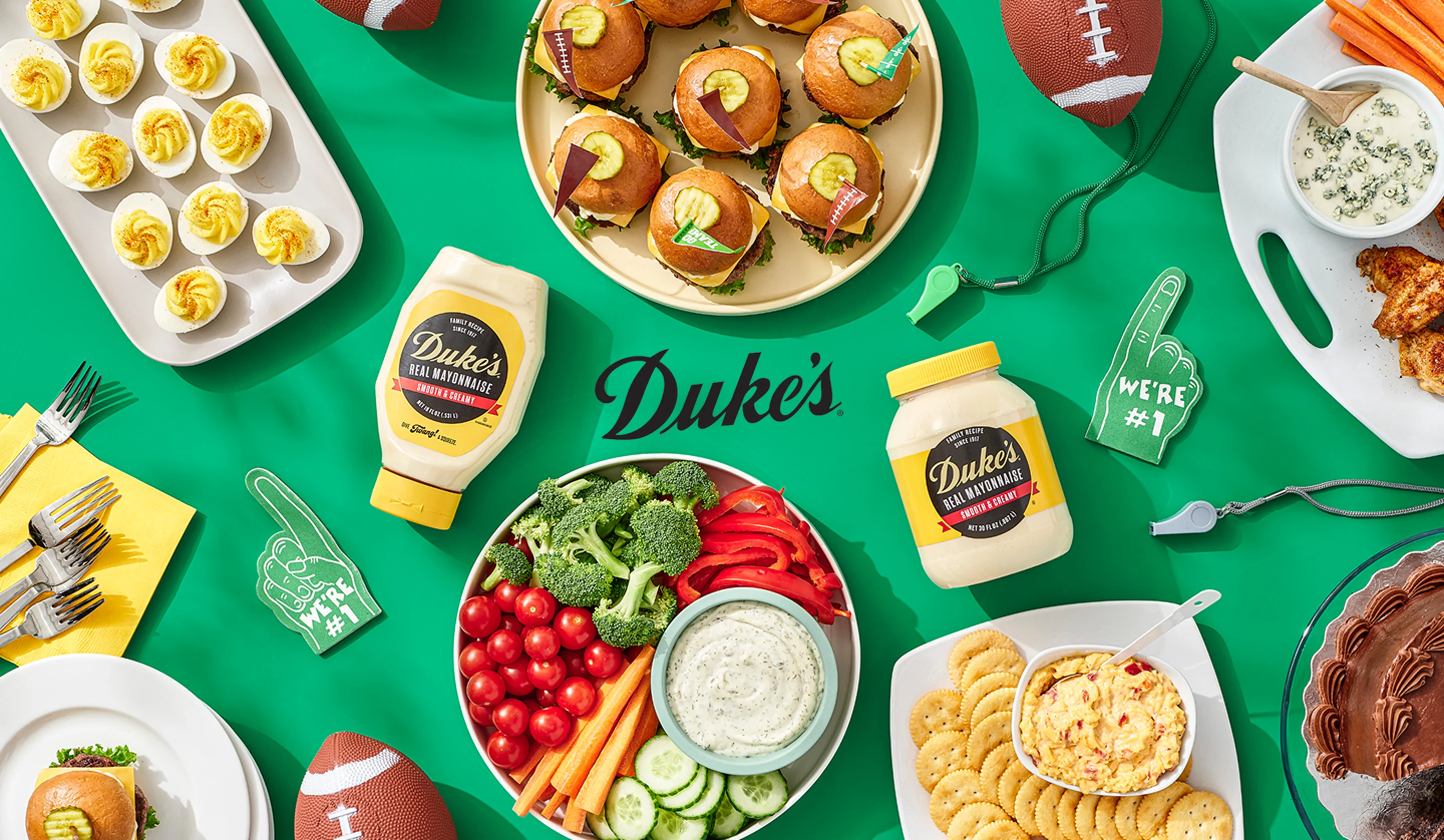
Following private equity acquisition, Sauer Brands, home to Duke’s Mayonnaise and a growing portfolio of food brands, sought to strengthen brand orientation across the organization and elevate how leadership thinks about brand as a driver of value. While the business had strong products and market momentum, private equity ownership introduced a clear mandate: build more valuable brands that translate into improved performance and enterprise value. This required a shift from viewing brand as marketing to managing it as a core business asset. The Blake Project was engaged to deliver a single executive session for leadership across all portfolio brands. We reframed brand as a financial lever and equipped leaders with practical tools and techniques to strengthen positioning, improve demand quality, and enhance pricing power. The session connected brand decisions directly to revenue, margin, and valuation, creating a shared understanding across the organization. The result was a more aligned, brand-oriented leadership team with greater discipline in how brand is managed and leveraged across the portfolio, strengthening the foundation for accelerated growth and long-term value creation. The work required our brand strategy and executive advisory expertise.
One of the most recognized brands in interactive entertainment, EA Sports engaged The Blake Project to help build the strategic infrastructure needed to support aggressive growth goals in Asia, including the complexities of China, one of the most important and demanding markets in the region. The challenge was not simply expansion. It was ensuring that brand strategy, product strategy, and growth strategy were aligned closely enough to compete effectively in a market with different consumer expectations, market dynamics, and competitive pressures. Through our workshop-based approach, we worked with EA Sports marketing teams to develop the strategic framework for growth in Asia. We audited existing market research, interviewed key stakeholders, and applied our proprietary models to identify the most advantageous path forward. This gave the organization a deeper understanding of the market, a clearer view of its strategic options, and a stronger foundation for action. The result was a more advantageous growth trajectory in Asia and better-equipped marketers who could manage their brands with greater confidence and navigate the business complexities of the region’s most important markets. The work required our brand strategy, product strategy, and growth strategy expertise.
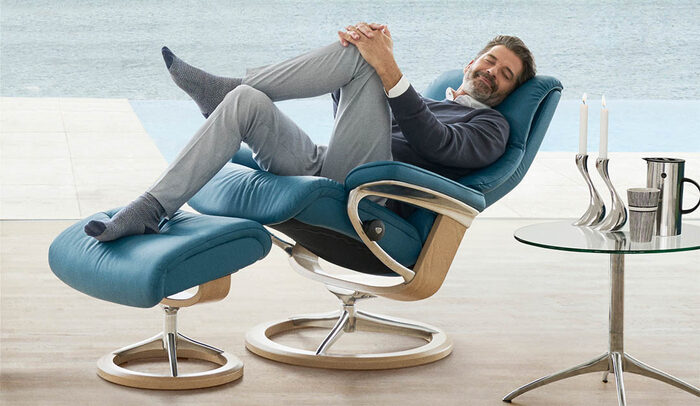
Ekornes, the largest furniture manufacturer in Norway, markets its products globally under the Ekornes and Stressless brand names. In the U.S. market, the company is best known for its Stressless chairs, a premium offering with strong heritage and distinctive comfort credentials. As Ekornes prepared for a more focused marketing effort across the U.S. and Canada, the company selected The Blake Project to help establish a stronger strategic foundation for growth. Leadership needed a clearer understanding of current brand awareness, market perceptions, the purchase decision-making process, barriers to entry, and the competitive threats shaping the category. The Blake Project helped benchmark the brand’s standing in the market and identify the factors most likely to influence future growth. This gave leadership a more informed view of where Stressless held strength, where obstacles existed, and what needed to be addressed to compete more effectively. The result was a clearer fact base for sharper marketing decisions, giving Ekornes greater confidence as it moved to strengthen the Stressless brand in North America. The work required our brand research and brand strategy expertise.

As the premier source for small business insight, advice, and inspiration, Entrepreneur built a powerful brand with credibility among entrepreneurs, founders, and business builders. The opportunity was to determine whether that strength could extend into new categories through licensing and, if so, how to do it in a way that would create meaningful new value for the business. Entrepreneur selected The Blake Project to conduct a brand licensing audit to identify and evaluate the most promising opportunities for brand extension. We assessed where the brand had permission to play, developed a qualified universe of potential licensing categories, and evaluated each through both a strategic and financial lens. We then projected the range of sales the brand could generate through licensing and estimated the royalty revenue that could be expected across multiple scenarios. But the work did not stop at strategy. The Blake Project also helped launch the licensing program, turning the opportunity into action and ushering in a new revenue stream for the brand. The result was a fact-based licensing strategy and an activated program that extended Entrepreneur into new categories, created incremental revenue, and gave the company a stronger platform for growth beyond its core business. The work required our brand strategy, brand research, licensing, and brand activation expertise.
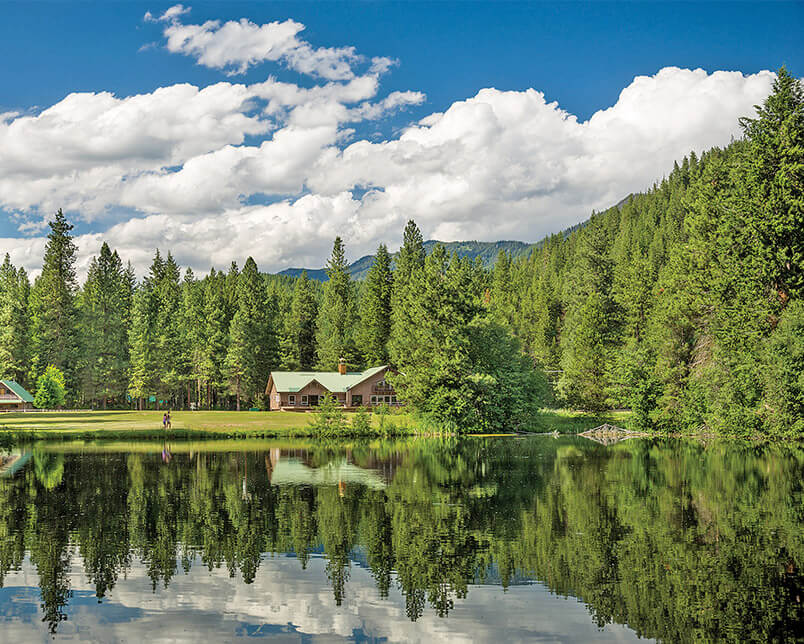
The leading operator of manufactured home communities, RV resorts, and campgrounds in North America, Equity LifeStyle Properties owns or controls more than 400 communities and resorts across 33 states and British Columbia, representing more than 165,000 sites. ELS engaged The Blake Project to answer a critical brand question: should its RV and camping properties operate under one brand or two, and if under one brand, which brand should lead? The decision carried significant implications for clarity, efficiency, and long-term growth. Through our rigorous approach to brand equity measurement, we generated the insight needed to make the right recommendation. We also helped simplify the company’s branding structure through a clearer brand architecture strategy, giving leadership a more disciplined framework for managing and growing its portfolio. The result was a simpler, more cost-effective brand system and a stronger strategic foundation for building the business going forward. The work required our brand research, brand strategy, and brand architecture expertise.
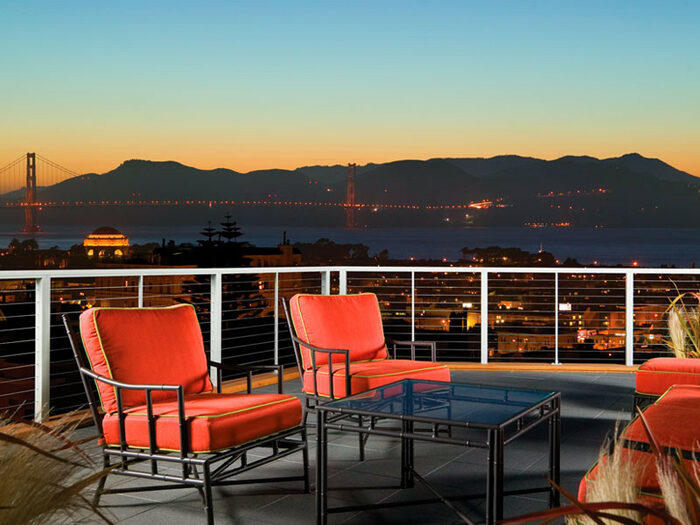
Founded in 1948, Feeney provides cable and aluminum railings, rods and fittings, canopies, and other architecturally appealing solutions for residential and commercial projects. To help the company compete more effectively and build a bigger future, Feeney selected The Blake Project to define a stronger strategic position for the brand. We conducted comprehensive brand equity research across Feeney’s most important audiences, including architects and designers, contractors and builders, fabricators, and retailers. That work gave leadership a clearer understanding of how the brand was perceived, what customers valued most, and where the strongest opportunities for differentiation existed. Based on these insights, we facilitated a brand positioning workshop with Feeney’s leadership team and helped them align around three compelling points of difference: product quality and ease of ordering and installation. From that consensus, we developed the tagline Feeney Makes It Easy, created an elevator speech to help express the positioning consistently, and led a branding rally for employees to help bring the new brand to life internally. The result was a clearer market position, stronger internal alignment, and a more compelling brand platform for growth. The work required our brand research, brand strategy, brand storytelling, and brand culture expertise.
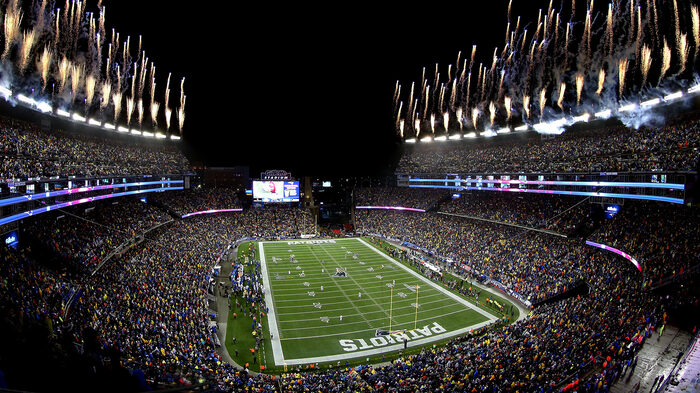
As the most trusted brand in artificial turf, FieldTurf faced increased competitive pressure at the same time the global pandemic was reshaping customer priorities and purchase behavior. To help maintain its leadership position, the company selected The Blake Project to bring greater clarity to what truly drives customer choice. Using the Jobs To Be Done framework, we helped FieldTurf uncover the deeper motivations behind customer decisions and translate that understanding into a new sales approach. This work moved the conversation beyond product features to the outcomes customers were really hiring the brand to deliver. The insight also gave leadership a new lens for managing the brand, helping the organization make stronger decisions about how it positions, communicates, and creates value in a changing market. The result was a more customer-centered sales strategy, a clearer strategic foundation, and a stronger platform for protecting FieldTurf’s market leadership. The work required our brand strategy, customer insight, and sales strategy expertise.
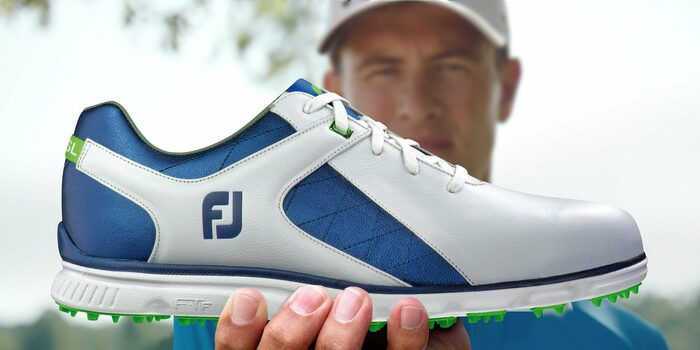
As the number one shoe and glove brand in golf, with 67% market share, FootJoy had earned category leadership through product performance and credibility. But leadership recognized that sustaining that advantage required more than functional superiority. The brand needed greater emotional appeal, stronger relevance with younger golfers and women, and a clearer competitive story against brands like Nike and Adidas. FootJoy selected The Blake Project to help evolve the brand without losing the authority that made it dominant. Through qualitative consumer research and a brand positioning workshop, we helped management identify how to infuse the FootJoy promise with greater aspiration and emotional meaning while preserving its performance heritage. That work led to the development of a new tagline, “FJ: The Mark of a Player,” along with brand messaging designed to sharpen differentiation and reinforce FootJoy’s competitive advantages in the marketplace. We also created an elevator speech to help employees understand and express the new positioning consistently, ensuring the strategy could be brought to life across the organization. The result was a stronger emotional platform for the brand, broader appeal to important growth audiences, and a more compelling competitive position, helping FootJoy accelerate growth while maintaining its market leadership. The work required our brand research, brand strategy, and brand storytelling expertise.

Headquartered in Glen Raven, North Carolina, Glen Raven has grown from a small cotton mill into a global leader in performance fabrics. Its Sunbrella brand is widely recognized as the premier performance fabric for awnings, furniture, marine applications, convertible tops, and other uses. Following the acquisition of a distribution company selling remote-controlled retractable awnings under the Solair name, Glen Raven faced a new strategic challenge: how to position Sunbrella and Solair clearly while managing channel conflict across the business. Glen Raven selected The Blake Project to help define the positioning of both brands and develop strategies to overcome channel conflict issues. Through three brand strategy workshops and brand equity measurement, we helped leadership clarify the distinct role of each brand, identify and prioritize target customers, and create a stronger strategic framework for how the brands should work together in the market. The result was greater clarity, sharper targeting, and a more effective brand strategy for managing the relationship between Sunbrella and Solair, leading to a surge in growth. The work required our brand strategy, brand research, and brand architecture expertise.

With $130M in sales, good2grow was an emerging brand in the children’s beverage category, differentiated by genuine health attributes and a distinctive toy-like container. The opportunity was significant, but so was the challenge. To accelerate growth, the brand needed deeper customer understanding, sharper strategic direction, and a clearer view of how to strengthen its position in a competitive market. The Blake Project was selected to give the leadership team clarity and confidence in the strategic direction of the brand. We conducted 12 expert-moderated depth insight groups with parents of young children across four U.S. markets to understand the brand’s current position and identify the most meaningful paths to growth. These sessions explored concerns about children’s diet and nutrition, shopping behavior, beverage usage, purchase drivers, brand personality, barriers to purchase, reactions to multipacks, new product concepts, and alternative positioning strategies. To deepen the analysis, we complemented this qualitative work with a market segmentation study and a brand equity measurement study. Together, these inputs allowed us to make more informed recommendations for strengthening good2grow’s market position, clarifying who mattered most, what the brand needed to stand for, and where growth opportunities were most credible. We also worked with leadership to define the brand’s purpose and assess the health of its brand licensing program. The result was a more complete strategic foundation for growth, giving good2grow a clearer understanding of its customers, stronger guidance for brand-building decisions, and a more confident path forward in scaling the business. The work required our brand research, brand strategy, and licensing expertise.
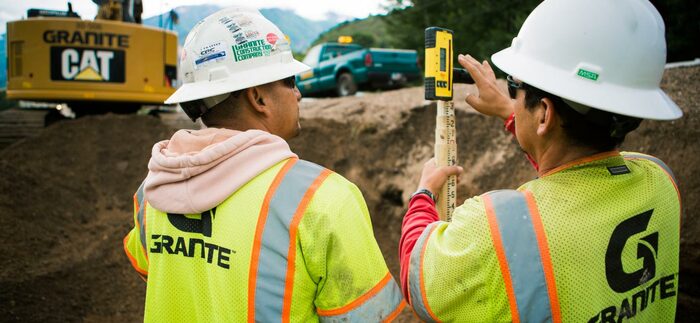
One of the largest construction companies in North America, Granite has built a reputation for excellence over more than 100 years. As the company looked to support growth for its next century, mergers and acquisitions became an increasingly important part of its strategy, bringing new brands into the Granite portfolio. That growth created a critical strategic need: a clear system for managing the company’s current portfolio of brands and a framework for evaluating and integrating future acquisitions. Without that discipline, Granite risked unnecessary complexity, confusion across the portfolio, and missed opportunities to fully leverage the value of its expanding brand assets. Granite selected The Blake Project to establish a brand architecture strategy that could guide both the existing portfolio and all future brand acquisitions. We helped define how brands should relate to one another, where equity should be concentrated, and how the organization could bring greater consistency and strategic control to its growing family of brands. The result was a clearer brand architecture platform designed to support acquisition-driven growth, strengthen portfolio management, and give Granite a more disciplined foundation for building value over the next century. The work required our brand strategy and brand architecture expertise.
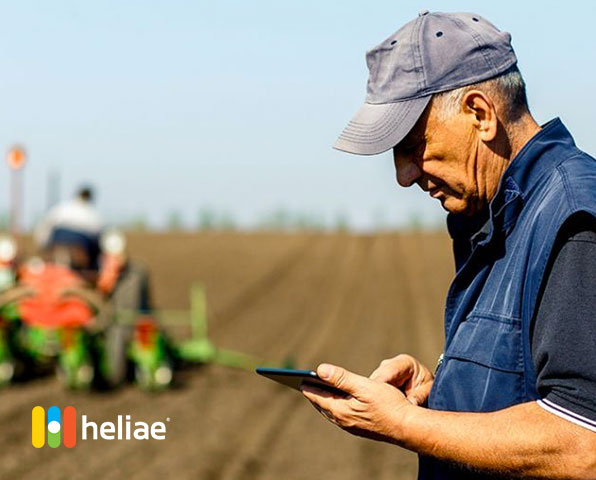
Founded by the Mars family, Heliae is a pioneering food and agriculture company developing solutions that can help feed and protect a threatened planet. With urgency shaped by global climate pressures, Heliae has focused its research and development on the power of microalgae, unlocking breakthrough applications for crop growth and agricultural performance, including the conversion of desert into farmland. Working with the leadership team, The Blake Project helped strengthen both the corporate brand and product brand strategy, elevating the fundamentals of brand management from the inside out of the organization. We helped clarify how Heliae should express its purpose, value, and relevance at the corporate level while also shaping the market story for key innovations coming out of the business. This included support for the launch of Super Algae, a revolutionary food innovation designed to introduce good fats into foods. By helping define both the broader corporate narrative and the positioning of this product innovation, we gave the organization a stronger and more connected brand foundation for growth. The result was greater internal brand discipline, a clearer market story across the business, and a stronger platform for advancing both corporate reputation and product innovation. The work required our brand strategy, brand management, and brand storytelling and brand launch expertise.

Founded in 1920, the Home Furnishings Association is America’s only trade association devoted exclusively to the needs and interests of home furnishings retailers. With more than 1,400 retail members and 7,000 storefronts, its success depends on delivering clear and compelling value to the businesses it serves. Facing a steep decline in membership and increased competitive pressure, the association turned to The Blake Project to help create a stronger brand value proposition and strategy to improve member satisfaction, retention, and loyalty. We measured the equity of the brand to understand how it was perceived, where value was strongest, and what was limiting growth. Those insights became the foundation for a rebrand that sharpened the association’s relevance, strengthened its position, and gave leadership a clearer strategic platform for reconnecting with current and prospective members. The result was a stronger brand and a significant business turnaround: membership increased 45% over a three-year span. The work required our brand research, brand strategy, and rebranding expertise.
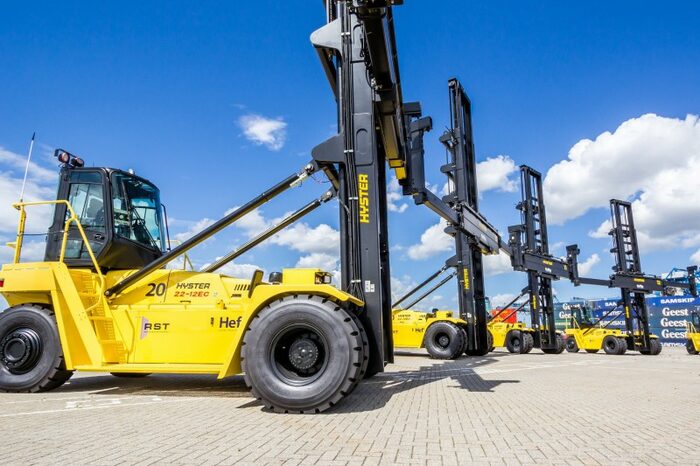
A global lift truck leader with two powerful product brands, Hyster and Yale, Hyster-Yale faced growing complexity in its portfolio as subbrands multiplied and naming conventions became harder to manage. While the two brands offered nearly identical product portfolios, each held distinct equity in the market. Hyster was known as the rough, tough, heavy-duty brand, often associated with lumber and construction. Yale was understood as the brand that could be customized to meet the needs of unique applications. Across the Americas, 47 independent dealers carried either Hyster, Yale, or both. Hyster-Yale selected The Blake Project to strategically simplify its brand architecture and bring greater discipline to how the portfolio was organized and expressed. The challenge was not only to determine which brands should remain and which should be eliminated, but also to gain better control over subbrands and create naming conventions that were clearer, more consistent, and more valuable to the business. By keeping the focus on sources of value, we helped leadership see where equity truly resided across the system and how the architecture could be simplified without weakening competitive strength. We clarified the roles of the Hyster and Yale brands, rationalized subbrands, and developed naming conventions that created greater consistency and control across the portfolio. The result was a more strategically aligned brand system that improved clarity, reduced complexity, and increased Hyster-Yale’s ability to compete more effectively in the market. The work required our brand strategy, brand architecture, and naming expertise.

Founded in 1945, the International Air Transport Association represents some 290 airlines accounting for 84% of global air traffic. Beyond its role as the trade association of the world’s airlines, IATA also serves the industry across a broad range of areas including operations, cargo, economics, finance, safety, security, regulation, and simplifying the business of aviation. The Blake Project was selected to help IATA’s consulting arm increase its perceived value in the market. The challenge was to better understand how customers and stakeholders viewed the offering, where its value was under-recognized, and what strategic changes would be required to strengthen its position. Through customer and stakeholder research, along with industry expert analysis, we developed a comprehensive report of findings, implications, and recommendations. This work gave leadership a clearer understanding of market perceptions, the barriers limiting value, and the opportunities to reposition the consulting business more advantageously. The result was a significant shift in the strategic direction of IATA’s consulting arm, giving the organization a stronger foundation for increasing relevance, value, and impact in the marketplace. The work required our brand research and brand strategy expertise.
,
A multinational banking and financial services leader, ING engaged The Blake Project to help bring its brand strategy to life in a way that deepens emotional connection and strengthens consistency across markets. The opportunity was not simply to refine communications. It was to translate a strategic brand ambition into a living management approach that could work across geographies, cultures, and customer expectations. For a global brand, emotional appeal cannot be left to chance. It must be intentionally built, managed, and expressed in ways that remain true to the brand while resonating locally. The Blake Project worked with ING to think through how the brand should be managed across different markets and to refine the processes required to do so effectively. We helped the organization evaluate how the brand’s promise, personality, and emotional dimension could be expressed more consistently and more powerfully across touchpoints, while allowing for the realities of local market execution. In doing so, we helped create a more disciplined approach to brand stewardship, one capable of balancing global coherence with local relevance. The result was a stronger framework for managing the brand internationally, increasing emotional appeal while improving the organization’s ability to deliver a more consistent and meaningful brand experience across markets. By helping ING operationalize its brand strategy, we strengthened the connection between brand management, customer affinity, and long-term value creation. The work required our brand strategy and brand management expertise.
When reputational issues surrounding McAfee’s founder created risk for the brand, Intel’s senior leadership made the strategic decision to transition the business from McAfee to Intel Security. The challenge encompassed more than changing a name. It was protecting trust, preserving market confidence, and helping employees, customers, and partners understand the rationale and value behind the change. The opportunity was to turn a potentially disruptive moment into a more disciplined and credible brand platform, one aligned with Intel’s strength, reputation, and long-term strategic direction. To succeed, the rebrand needed more than execution. It required a clear story, consistent messaging, and organizational understanding strong enough to carry the change into the market. The Blake Project was engaged to help activate the rebrand and ensure the transition was strategically grounded and market-ready. We developed the brand story and messaging strategy, giving Intel Security a clear narrative for why the change was happening, what it signaled, and how it should be communicated across audiences. We also helped equip marketers throughout the organization with the concepts, frameworks, and language needed to manage the rebrand with greater clarity and consistency. The result was a more confident, coordinated transition that helped Intel move from reputational risk to a stronger, more enterprise-aligned security brand. By connecting the rebrand to a clear strategic narrative and educating the organization on how to carry it forward, we helped lay the foundation for a more credible and cohesive market presence. The work required our brand strategy, brand storytelling, and brand activation expertise.
Driven by the ambition and entrepreneurial vision of founder Dorothy Cann Hamilton, the International Culinary Center was expanding rapidly across products, services, and geographies. Growth was creating opportunity, but also increasing complexity, making it essential to bring sharper strategic focus to the brand and the business. The Blake Project was selected to work with the organization's leadership team to clarify the brand’s positioning, strategy, and architecture. This was more than an organizational exercise. It was a founder-led effort to ensure that the energy and momentum behind the business could be translated into a more focused, scalable brand platform. By aligning leadership around what the brand should stand for, how it should grow, and how its expanding offerings should be structured, we helped create greater clarity across the organization. The work brought discipline to a fast-moving business without losing the entrepreneurial force that made it distinctive. The result was a stronger sense of focus, a clearer strategic direction, and a more coherent foundation for growth. The work required our brand strategy and brand architecture expertise.
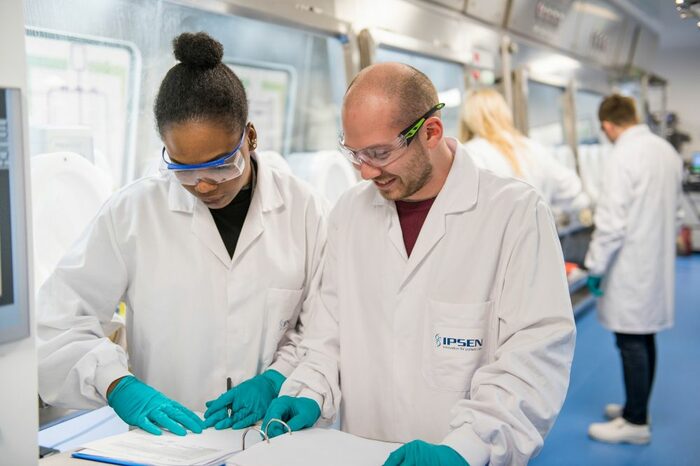
A global specialty-driven pharmaceutical company with a significant presence in consumer healthcare, Ipsen markets more than 20 drugs in over 115 countries and maintains a direct commercial presence in 30 countries worldwide. With more than 4,600 employees, the company operates at a meaningful global scale with the ambition to become a leader in the treatment of targeted debilitating diseases. Ipsen selected The Blake Project to lead an advanced brand education program designed to strengthen marketing capabilities across the organization. The engagement drew on our expertise in brand management and our understanding of pharmaceutical and medical markets, giving the program both strategic rigor and category relevance. We helped equip Ipsen’s marketers with stronger brand management tools, frameworks, and decision-making discipline, enabling them to manage complex healthcare brands with greater clarity and consistency. The program strengthened understanding of how to build brands in markets where scientific credibility, stakeholder alignment, and meaningful differentiation are essential. The result was a more capable marketing organization, better prepared to steward Ipsen’s brands and support the company’s global growth ambitions. The work required our brand education and brand management expertise.
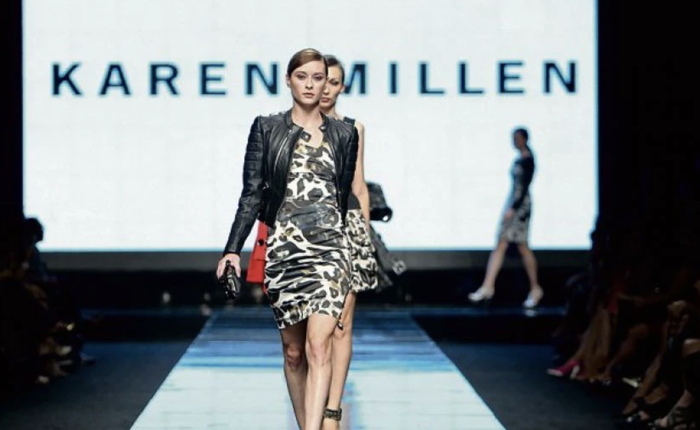
Founded in 1981, Karen Millen is a British fashion brand that grew from a high street retailer into an internationally recognized name with distribution across the U.K., U.S., and other markets. The Blake Project was retained as a brand management and intellectual property expert in a rebuttal role for an opposition proceeding before the Trademark Trial and Appeal Board involving KARENX, a mark Ms. Karen Millen sought to register across multiple classes. The central issue was whether consumers would be likely to confuse KARENX with Karen Millen Fashions Limited, the company to which she had sold her name years earlier. The opposing expert argued that consumers would view KARENX as a diffusion line of the Karen Millen brand. The Blake Project challenged that premise directly. We demonstrated that the diffusion-line argument no longer reflected the direction of the market and that Karen Millen Fashions Limited had evolved from a prestige positioning into more of a bridge or mid-market brand. Our analysis showed that true diffusion strategies were associated with high-end designer brands, not with brands positioned at a mid-price point. To assess the likelihood of confusion, we conducted both forward and reverse confusion studies. The findings showed that, in a market already populated by multiple “Karen” brands, consumers were unlikely to confuse KARENX with Karen Millen Fashions Limited. The Blake Project tabulated and interpreted the results, then delivered a high-level expert opinion letter rebutting the opposing report and strengthening the case against the claim of likely confusion. The work required our brand strategy, consumer research, and intellectual property expertise.
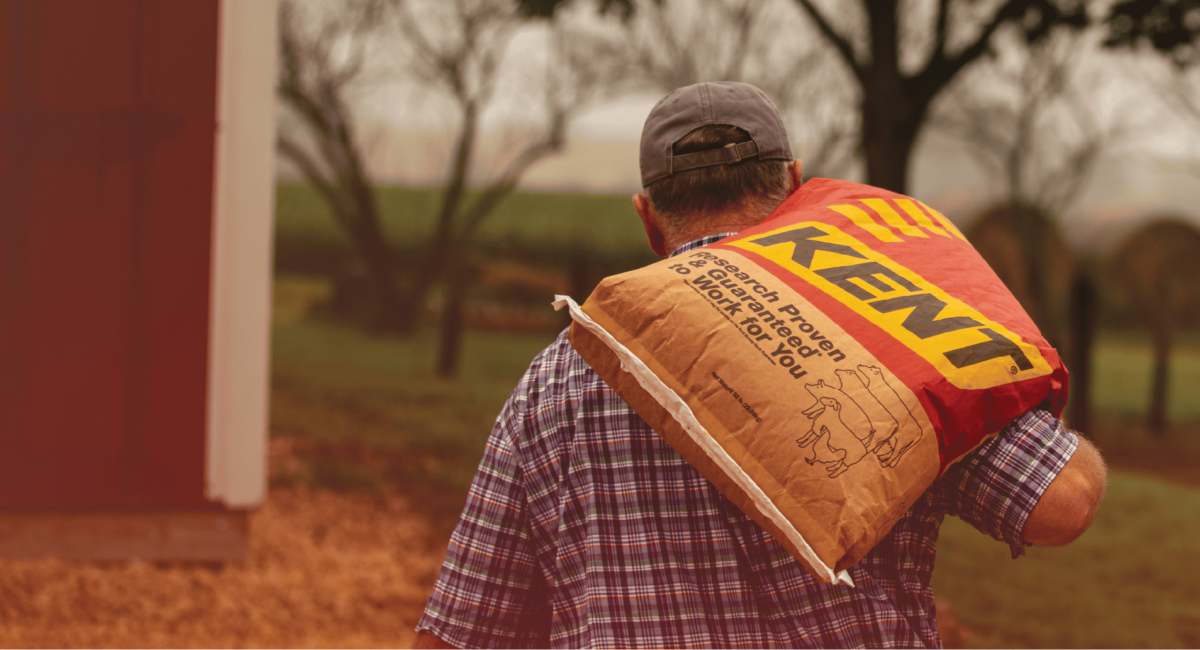
Kent Nutrition Group was created to bring out the best in two highly successful regional feed companies: Kent, founded in 1927 and a leading animal nutrition brand in the Midwest, and Blue Seal, founded in 1868 and a leading animal nutrition brand in the East. Kent Nutrition Group selected The Blake Project to work closely with the leadership team to help make Kent and Blue Seal the most trusted and preeminent regionally focused animal nutrition brands in the United States. The opportunity was larger than brand refinement. It was about giving leadership a stronger marketing orientation and a clearer strategic lens for managing and growing both brands. Our work included research and strategy for each brand, including brand equity measurement, brand positioning, brand architecture, mission, vision, values, strategic storytelling, tagline development, and creative executions. Working with leadership, we helped clarify what each brand should stand for, how they should relate within the broader organization, and how to sharpen their relevance and distinctiveness in their respective regions. The result was a stronger strategic foundation for both Kent and Blue Seal, clearer brand roles, and a leadership team better equipped to make disciplined brand and marketing decisions in support of growth. The work required our brand research, brand strategy, brand architecture, and brand storytelling expertise.

Driven by the belief that pets deserve the same safe and effective medicines as human family members, KindredBio set out to bring innovative biologics to veterinary medicine. Its strategy was highly distinctive: identify therapeutic targets already proven in humans, then apply that science to dogs and cats. This gave the company a powerful advantage, allowing it to leverage billions of dollars of human R&D and bring important innovations to veterinary medicine more efficiently. KindredBio turned to The Blake Project to help amplify this point of difference through brand storytelling. The challenge was to translate a scientifically compelling model into messaging that would resonate clearly with the audiences most important to the company’s future. Working with leadership, we crafted messaging pillars and storylines that clarified the company’s value, sharpened its market story, and gave the organization a more powerful way to express why its approach mattered. The result was a clearer and more differentiated brand narrative that helped strengthen how KindredBio communicated its innovation and value in the marketplace. Our work resonated, and in 2021 KindredBio was acquired by Elanco Animal Health. The work required our brand storytelling and brand strategy expertise.
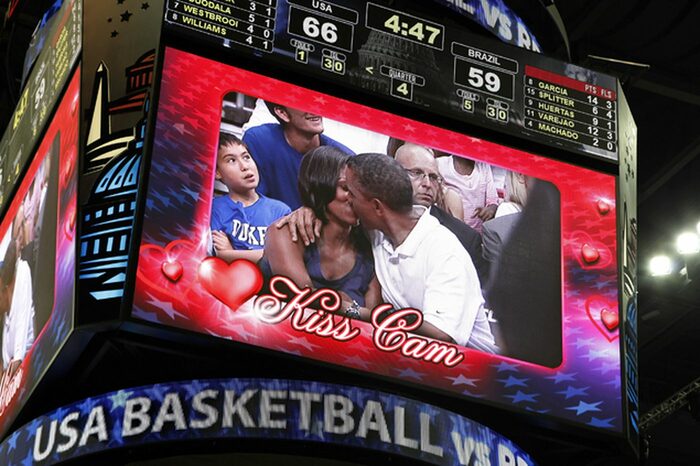
Known worldwide for enhancing the fan experience, KissCam created one of the most recognizable emotional moments in professional sports by monetizing surprise and connection in real time. As the brand evolved beyond the in-venue experience, it saw an opportunity to extend that emotional power into new formats, audiences, and revenue streams. The Blake Project was selected to lead the brand strategy for this nextchapter: transforming Kiss Cam into a mobile app-based contestplatform that could include viewers at home and expandmonetization opportunities across new venues and events. We helped define the strategic foundation for that evolution, clarifying howthe brand could extend beyond the stadium while preserving the emotionallycharged experience that made it valuable in the first place. The workpositioned Kiss Cam to broaden participation, deepen engagement, and create newcommercial possibilities beyond traditional sports settings. The result was a stronger strategic platform for growth, giving Kiss Cam aclearer path to expand its brand, audience, and monetization model. The work required our brand strategy and innovation strategy expertise.

An emerging information technology company focused on business-critical digital transformation, KORIO entered the market with a clear ambition: disrupt the IT space with a more relevant and trusted approach. To do that, the company needed sharper insight into its target customers and a brand strategy strong enough to support its challenge to the status quo. KORIO selected The Blake Project to help define that strategic foundation. Working closely with leadership, we uncovered new and valuable insights about the audiences most important to the brand’s future and used those insights to shape a more differentiated position in the market. That work led to a brand strategy centered on trusted transformation, a positioning that captured both the urgency of change and the confidence customers need in a transformation partner. We brought the strategy to life through messaging designed to challenge the market and frame the choice clearly: Are You Part of The Old or Part of The New? The result was a sharper market position, a more compelling story, and a stronger platform for helping KORIO lead disruption rather than simply participate in it. The work required our brand strategy and brand storytelling expertise.
A global leader in legal, regulatory, and business information and analytics, LexisNexis provides data-driven tools and insights to law firms, corporations, and government agencies to improve decision-making and productivity. As part of RELX, the company operates at the intersection of content, technology, and analytics, delivering solutions across more than 175 countries. As LexisNexis grew through mergers and acquisitions, its expanding brand and product portfolio became increasingly difficult to manage. New additions brought scale and capability, but also created complexity, making it harder to define the role of each offering, clarify relationships among brands, and present a coherent story to the market. The opportunity was not simply to organize a portfolio. It was to create a structure that could support growth, improve decision-making, and strengthen the value of the company’s brand assets. Without that clarity, LexisNexis risked confusion in the marketplace, internal inefficiency, and missed opportunities to fully leverage the strength of its acquisitions. The Blake Project was engaged to help leadership think through the logical, strategic, and relational structure of the portfolio. Using proprietary brand equity measurement methods, we evaluated the strength, meaning, and role of brands across the system, providing a fact-based understanding of where equity resided and how it could be best deployed. From there, we developed a clear brand architecture strategy that defined how the portfolio should be organized, how brands should relate to one another, and where the company could simplify, strengthen, or extend its assets for greater impact. The result was a more manageable, strategically aligned portfolio that improved clarity for customers, sharpened decision-making for leadership, and created a stronger foundation for growth through continued integration and innovation. The work required our brand research, brand strategy, and brand architecture expertise.
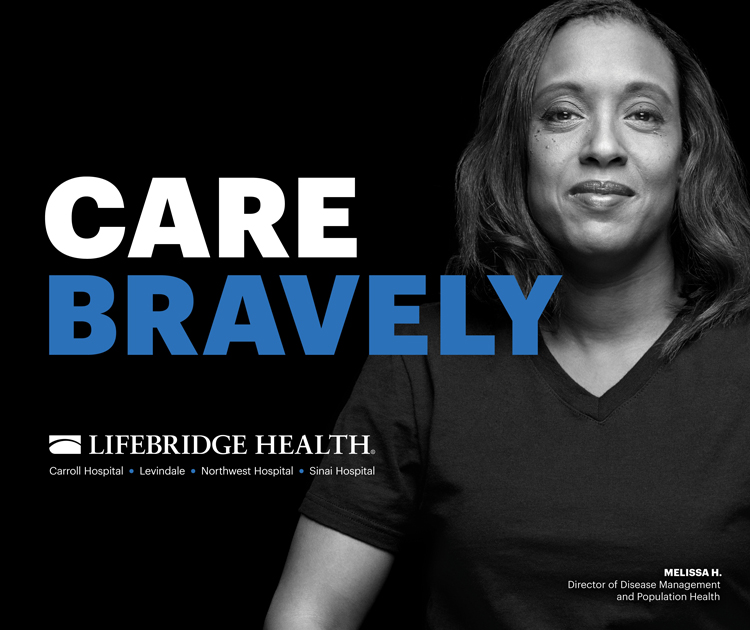
LifeBridge Health selected The Blake Project to help its marketing team and agency partners strengthen their capabilities in brand strategy and brand management. As the organization faced real-world brand challenges, leadership saw the need for a more consistent, disciplined approach to how those challenges were understood and addressed. The Blake Project designed and delivered a highly interactive learning experience that equipped teams with the latest tools, frameworks, and concepts in brand strategy. The program focused on applying these ideas directly to LifeBridge Health’s current challenges, ensuring the work was practical, relevant, and immediately actionable. We also recommended including agency partners in the process to ensure greater alignment and consistency in how brand decisions are made and executed across internal and external teams. The result was a more aligned and capable marketing organization, better equipped to approach brand challenges with shared understanding, stronger tools, and greater strategic discipline. The work required our brand education and brand strategy expertise.
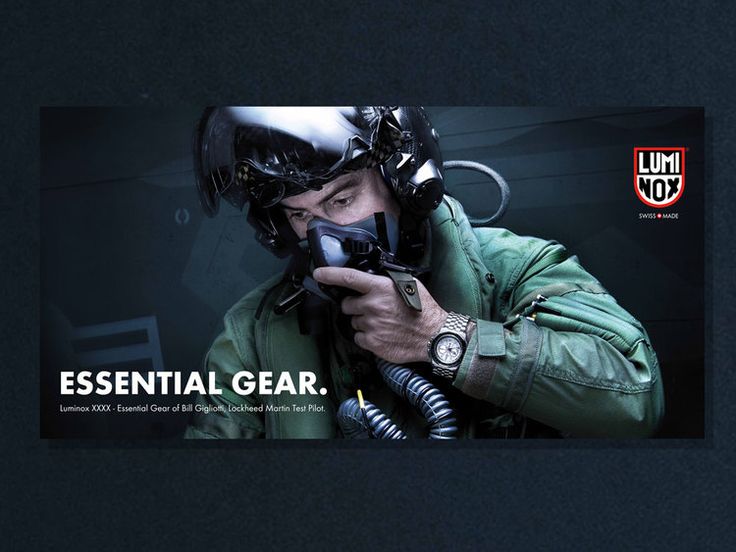
Luminox, founded in 1989, built its reputation on a distinctive promise: watches engineered for constant visibility in all conditions, with deep credibility among military and outdoor audiences, including its long association with the U.S. Navy SEALs. The brand is now part of the Mondaine Group; Mondaine first acquired a 50% stake in 2006 and completed the purchase of the remaining 50% in 2016. At a key moment in the brand’s evolution, The Blake Project worked closely with the new co-owners and co-CEOs of the American-Swiss business to build the strategic infrastructure needed to accelerate growth. This leadership-level work sharpened the global position of the brand, aligned strategy across the business, and created a stronger platform for expansion under new ownership. We helped define Luminox’s global positioning and advised on creative strategy, ensuring the brand’s authentic performance credentials were translated into a clearer, more scalable market story. That work led to the pivotal Essential Gear campaign, which gave the business a stronger organizing idea for how to present the brand across markets and channels. The result was a sharper, more disciplined growth platform for Luminox at a time of ownership transition and strategic expansion. Working with the new leadership team helped establish the brand foundation required to scale the business more effectively, contributing to 55% growth in 18 months. The work required our brand strategy and creative strategy expertise.
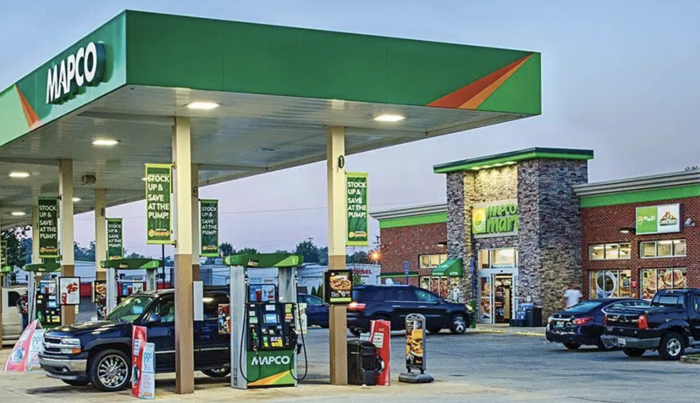
Operating 340 company-owned convenience and fuel retail stores across seven states, MAPCO engaged The Blake Project to help usher in a new era of retail for the organization. As competition intensified and customer expectations evolved, leadership saw the need for a clearer brand strategy and a stronger point of difference in the marketplace. The Blake Project helped MAPCO identify the unique value it could own through a comprehensive brand research and strategy engagement that included brand equity measurement, positioning, and brand architecture. This work gave leadership a clearer understanding of where the brand held strength, how it should be organized, and what it needed to stand for in order to compete more effectively. Just as important, we helped the organization shift from a sales mindset to a brand-building mindset, creating a stronger foundation for long-term growth and more disciplined brand management. The result was a clearer market position, a more strategic view of the brand, and a stronger platform for transforming the MAPCO retail experience. The work required our brand research, brand strategy, and brand architecture expertise.
As Marriott grew, so did the complexity of its brand portfolio. With multiple brands serving different needs, experiences, and traveler segments, the company needed a clearer brand architecture to ensure the portfolio was organized strategically and managed with greater precision. One of Marriott’s global agencies engaged The Blake Project to help think through these complexities and guide the work. Through our process, we helped determine the logical, strategic, and relational structure of the Marriott portfolio of brands, clarifying how the brands should relate to one another and how the portfolio could work harder as a system. The result was a clearer brand architecture foundation that helped Marriott manage growth more effectively, strengthen portfolio clarity, and support better decision-making across its family of brands. The Blake Project’s brand strategy approach has been white-labeled by more than 20 agencies, a reflection of the trust placed in our methods, thinking, and outcomes. The work required our brand strategy and brand architecture expertise.
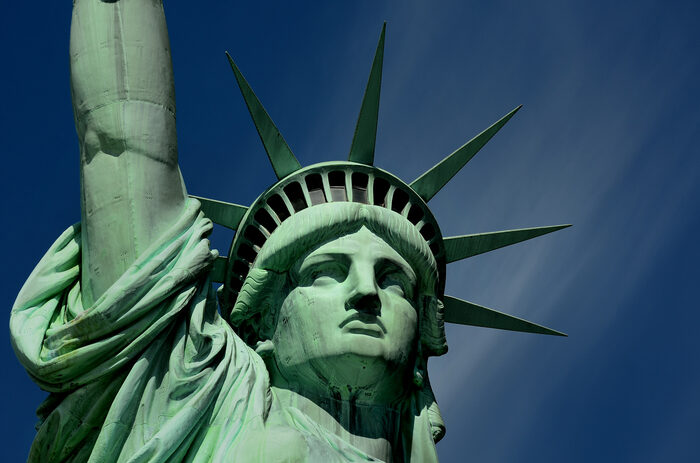
The Blake Project was the first and only firm selected to lead brand strategy for the National Parks of New York Harbor, including the Statue of Liberty, Ellis Island, and other nationally treasured landmarks. Few assignments carry greater symbolic weight. These are not simply destinations. They are among the most powerful expressions of freedom, hope, arrival, and American identity in the world. The challenge was to create a stronger strategic connection across 10 national parks and 22 distinct locations spanning New York City and northern New Jersey. Each site carried its own history and meaning, yet the broader portfolio lacked a unifying framework that could help leadership market these assets more collectively and guide the organization with greater clarity. Just as important, leadership needed to increase visitor counts, the key metric tied to how funding is distributed across the system. Through a brand strategy engagement, The Blake Project helped leadership and stakeholders forge consensus around a strategic North Star for the organization. We created a clearer foundation for how these iconic sites could be linked, understood, and presented as a more cohesive public-facing portfolio while preserving the distinct significance of each. By strengthening the collective story and improving how the parks could be marketed together, the work gave leadership a more strategic platform for increasing awareness, driving visitation, and improving performance against the metric that mattered most. The result was a more unified and strategically aligned brand platform for one of the most important collections of national landmarks in the United States, strengthening the organization’s ability to tell its story, deepen engagement, increase visitor traffic, and steward these historic assets with greater purpose and coherence. The work required our brand strategy and stakeholder alignment expertise.
The Blake Project helped Nationwide Insurance significantly improve its competitive position in each industry segment and uncover obstacles to successful entry into the financial services sector. They wanted to gain a thorough understanding of what is important to customers in each insurance industry segment (life, home, auto, etc.) and how Nationwide compares to other brands regarding perceived strengths, weaknesses, opportunities, and threats in each of those segments. Also, understand what obstacles insurance brands would have to overcome when entering the financial services sector. We conducted a comprehensive brand equity study of the insurance industry, including all segments and over one hundred brands. We compared brands on the following dimensions for each industry segment: awareness, relevance, differentiation, quality, value, convenience, emotional connection, preference, position in competitive set, top-of-mind associations, delivery against each category benefit, and brand personality, among others. We also explored consumer perceptions of the financial services sector, including perceptions of specific financial service firms and insurance companies within the sector. Based upon our findings, we recommended specific actions. The result was a stronger competitive position in each industry segment and a clearer understanding of the obstacles that would need to be overcome to enter the financial services sector successfully.
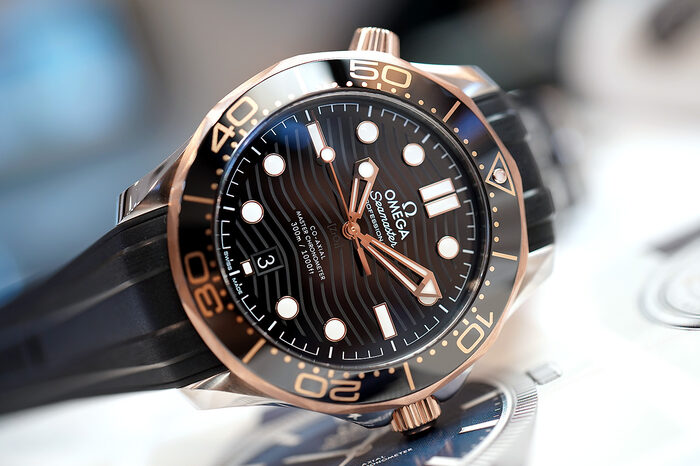
Competing in a category defined by prestige, heritage, and intense retail competition, OMEGA recognized that winning at the point of purchase required more than product excellence. It required sales professionals who could represent the brand with greater confidence, read customer behavior more effectively, and convert interest into preference at the moment of decision. OMEGA selected The Blake Project to design and execute a point-of-purchase training program that would both stimulate sales and strengthen brand equity. The objective was to give retail and wholesale consultants a meaningful competitive edge in the selling environment while ensuring the OMEGA brand was represented in a way consistent with its premium position. To achieve this, we developed the OMEGA Brand Ambassador Training Program, an advanced sales tutorial created in collaboration with a leading expert in verbal and non-verbal communication. The program was designed to sharpen selling effectiveness by helping OMEGA sales experts better recognize buying behavior, interpret closing signals, and respond with greater precision and confidence. At the same time, it deepened their understanding of the brand, enabling them to tell the OMEGA story more powerfully and persuasively. The impact extended beyond training. The program helped create more knowledgeable, more engaged OMEGA retail and wholesale consultants, strengthened the brand’s in-store presence, and contributed to more prominent brand placement at retail. By equipping frontline sellers with stronger skills and a deeper command of the brand, OMEGA improved its ability to win in the competitive retail environment where brand choice is often made. The result was a stronger sales culture at the point of purchase, enhanced representation of the OMEGA brand in stores, and a more effective link between brand equity and sales performance. The work required our brand strategy, sales activation, and brand training expertise.
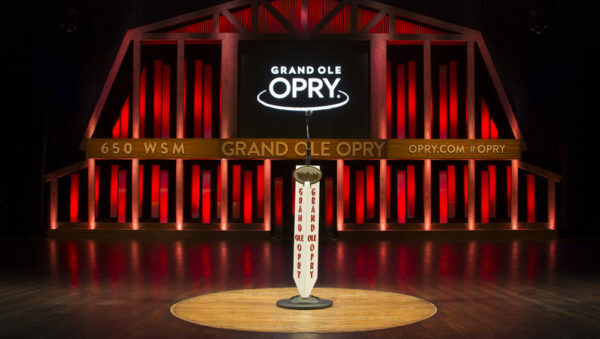
Rooted in the unparalleled country music history of the Grand Ole Opry, Opry Entertainment Group connects millions of fans to the artists they love through a growing portfolio of iconic entertainment brands, including the Grand Ole Opry, Ryman Auditorium, WSM Radio, Ole Red, Category10, and ACL Live. Across concerts, tours, restaurants, retail, publishing, and digital content, the company creates experiences that extend far beyond the stage. Opry Entertainment Group selected The Blake Project to identify new revenue streams for its iconic brands through licensing. Our work began with an audit of OEG’s intangible assets to determine where the organization held the strongest potential to extend its brands into new categories while protecting their meaning and cultural significance. From that foundation, we helped launch and manage the company’s first brand licensing program and built a program for OPRY100, designed to celebrate the Grand Ole Opry’s centennial and extend its value well beyond the anniversary itself. The program opened new revenue opportunities across a wide range of categories, from watches to home goods and beyond, turning one of America’s most iconic entertainment brands into a broader commercial platform. The result was a strategic new source of revenue for Opry Entertainment Group and a disciplined framework for extending the Opry brand into new markets while honoring its history and expanding its future. The work required our brand strategy, licensing, and brand activation expertise.

A consortium of more than 100 major Ph.D.-granting academic institutions, Oak Ridge Associated Universities plays a vital role in advancing the scientific research and education enterprise of the United States. Through its university consortium and strategic partnership with Oak Ridge National Laboratory, ORAU helps connect talent, institutions, and national priorities in science and technology. At a critical moment, ORAU faced a brand problem with major business consequences. For years, many audiences knew the organization by the name of its contract, ORISE, rather than by the name of the organization itself, ORAU. That confusion had been manageable while the relationship remained stable. But after holding the Department of Energy’s ORISE contract for 40 years, ORAU had to compete for it for the first time. Leadership needed to clarify who the organization was, what it stood for, and why it was uniquely qualified to continue leading this important work. The Blake Project was selected to help ORAU confront that confusion directly by refining its brand strategy, identity, and messaging. We helped the organization sharpen the distinction between ORAU and ORISE, develop a clearer and more compelling market story, and create a stronger expression of the enterprise through the Further. Together. campaign. We also helped support the pitch for the government’s $1 billion ORISE contract, ensuring that ORAU’s value, legacy, and future relevance were communicated with greater clarity and force. The contract was secured. More important, ORAU emerged with a clearer identity, stronger messaging, and a more cohesive brand platform for the future. The success of the engagement led the client to reward us with additional critical assignments. The work required our brand strategy, brand identity, and brand storytelling expertise.
With $1.7 trillion in global client assets, BNY Mellon Pershing is a leader in providing financial solutions to advisors, broker-dealers, hedge funds, and ’40 Act fund managers. When a competitor began targeting Pershing through misleading marketplace campaigns, the company turned to The Blake Project to assess the threat and help shape a strategic response. The challenge was not simply to answer the attack, but to do so without giving the competitor control of the conversation. Through a strategic session with the senior leadership team, we helped Pershing counter-offer rather than counter-attack, keeping the focus on what was known, proven, and valuable to its target audience. Instead of reacting on the competitor’s terms, we worked with leadership to define storylines that reinforced Pershing’s strengths, maintained alignment with the brand, and redirected attention to the confidence and credibility clients expect from a market leader. The result was a more disciplined, brand-aligned response that neutralized competitive noise, protected market confidence, and changed the conversation in Pershing’s favor. The work required our brand strategy and brand storytelling expertise.
A global leader in pharmaceuticals, Pfizer is committed to improving health and well-being at every stage of life. Following its 2010 acquisition of King Pharmaceuticals, the organization needed a clearer internal statement of purpose to help guide how the business delivers relevant, unique, and compelling value to its customers. The Blake Project was engaged to help the leadership team think through its mission, ensuring it could provide that direction. Before developing the new statement, we conducted an audit of the existing mission as well as those of key competitors, giving leadership a clearer understanding of where the current language fell short and how a stronger statement could better support the business. The result was a clearer mission platform designed to guide the organization with greater focus and strengthen how it defines and delivers customer value. The work required our brand strategy and mission development expertise.
A diversified health and well-being company, Philips has built a global reputation for improving people’s lives through meaningful innovation. Across healthcare, lifestyle, and lighting, the company has long integrated technology and design into people-centric solutions guided by its brand promise of sense and simplicity. When competitive pressure intensified in its small appliances business, Philips turned to The Blake Project to conduct complex brand research with a specific objective: measure the halo effect of the Philips parent brand. Leadership needed to understand how perceptions of the Philips master brand influenced perceptions of individual products and product lines, and how that influence could be used more strategically in the market. Our research revealed the degree to which the parent brand shaped product value and identified a pathway for using that equity more effectively. The insight pointed to a stronger strategy for countering competition through premium brand extensions, allowing Philips to leverage the strength of its corporate brand to create greater advantage at the product level. The result was a clearer strategic path for growth in a more competitive category, giving Philips stronger evidence for how to use brand equity as a lever for innovation, extension, and market differentiation. The work required our brand research and brand strategy expertise.

A global leader and provider of hearing solutions, Phonak serves customers in more than 100 countries through an extensive network of subsidiaries and distributors. As an innovation leader in hearing acoustics, the company is driven by a powerful mission: helping people hear better, understand more fully, and experience life more completely. Phonak selected The Blake Project to help craft the strategic foundation of its brand story. The challenge was to create a unifying narrative platform that could work across markets, guide expression globally, and bring greater clarity and consistency to how the brand was presented. Through our strategic brand storytelling work, we helped leadership gain clarity, consensus, and confidence around the universal theme, tone, personality, and expression that would inform all brand messaging. This work created a stronger emotional and strategic platform for the brand and helped ensure that communications across the organization were grounded in a shared story. The result was a clearer, more cohesive brand narrative that strengthened global alignment and gave Phonak a more compelling way to express its purpose and value in the market. That work helped shape the enduring brand idea: Phonak: Life Is On. The work required our brand strategy and brand storytelling expertise.
Focused on improving quality of life for the people of Pittsburgh by restoring the park system to excellence in partnership with government and the community, the Pittsburgh Parks Conservancy engaged The Blake Project as it approached its 20th anniversary. At this milestone, the organization saw an opportunity to reframe its value for the audiences most important to its future. The challenge was to sharpen how the Conservancy was understood, strengthen its relevance, and differentiate the brand in a way that more clearly reflected its unique role in the city. Through the lens of our brand strategy and nonprofit expertise, The Blake Project helped the organization clarify and elevate its position, giving it a more distinctive and compelling way to express its value. The result was a stronger, more differentiated brand platform for engaging supporters, partners, and the broader community. The work required our brand strategy and nonprofit brand expertise.
.jpg)
HP Hood engaged its lead agency to help shape the launch strategy for Planet Oat, entering one of the fastest-growing and most competitive segments in food and beverage. The challenge was clear: break into the plant-based milk category with a brand strong enough to compete against established players and win meaningful share. The Blake Project was brought in to develop the core brand strategy, with its work white-labeled through the lead agency. Working with leadership, we helped define the brand’s strategic foundation, including its positioning, target audience, and the role it should play in a crowded marketplace. The focus was on creating a brand that could stand out beyond product claims, with a clearer point of view and stronger emotional relevance to consumers exploring plant-based alternatives. We helped shape the go-to-market strategy, ensuring that Planet Oat entered the category with a differentiated story, a compelling value proposition, and a platform designed to scale. The result was a successful market entry and the establishment of Planet Oat as a competitive and rapidly growing brand in the plant-based milk category. The work required our brand strategy and go-to-market strategy expertise.

A major contractor to the U.S. federal government, PM Services Company is known for delivering reliable, cost-effective full facility support services across the United States. As competition increased for both government and commercial contracts, leadership recognized the need for a stronger strategic foundation to sharpen the company’s position and support future growth. PM Services Company selected The Blake Project to help build that foundation. Working closely with the senior leadership team, we helped definethe company’s mission, vision, values, and brandpositioning, giving the organization greater clarity on what itstands for, how it creates value, and how it should compete in a more demandingmarketplace. This work gave leadership a clearer strategic focus and a more disciplinedplatform for decision-making, helping the company align its growth effortsaround a stronger and more differentiated position. The result was a renewed sense of focus that the senior leadership teamcredited with accelerating growth. The work required our brand strategy and leadership alignment expertise.

With a dealer network of more than 100 locations serving the residential bathroom remodeling market, Re-Bath built its advantage on making it easy for customers to love their bathrooms. To strengthen that advantage and compete more effectively against much larger players, Re-Bath selected The Blake Project to measure the equity of its brand and competing brands, with particular emphasis on emotional connection. Our approach to brand equity measurement uncovered how customers felt about the category, where Re-Bath held emotional strength, and where larger competitors were vulnerable. These insights revealed new and more advantageous positioning opportunities that gave the brand a clearer way to differentiate and compete. The result was a stronger strategic platform for growth, enabling Re-Bath to challenge bigger competitors with greater confidence and move into a new stage of growth. The work required our brand research, brand strategy, and emotional connection expertise.
Right at Home, an international franchise system providing in-home care and assistance through more than 400 independently owned and operated locations worldwide, engaged The Blake Project to help its marketing team strengthen how the brand connects with the audiences most important to its future. The challenge was to sharpen the brand’s approach in a category where trust, clarity, and emotional relevance play an outsized role in decision-making. Leadership needed a clearer view of where the strategy was strong, where it was vulnerable, and how to respond more effectively to competitive pressure. The Blake Project conducted a brand strategy audit and delivered specific, actionable recommendations to address weaknesses and competitive threats. This work gave the marketing team a stronger strategic lens for how the brand should connect, compete, and create greater value in the market. The result was a clearer and more disciplined approach to audience connection, giving Right at Home a stronger foundation for brand-building in a highly competitive care category. The work required our brand strategy and brand audit expertise.
A global technology leader in power electronics, advanced foams for cushioning and protective sealing, and high-frequency printed circuit materials, Rogers needed a licensing strategy that could expand opportunity without compromising control. Rogers turned to The Blake Project to develop an approach that would protect the integrity of its technologies while creating greater market visibility and demand. The challenge was to open the brand to broader opportunity in a way that strengthened, rather than diluted, its value. We delivered a licensing strategy that gave Rogers the control it needed to ensure proper use of its technologies while increasing awareness and expanding market interest in its products. In doing so, we helped the company strengthen its brand equities, sharpen its market position, and create a more effective platform for growth. The work required our brand strategy and licensing expertise.
An emerging brand and the first and only Product Performance Management (PPM) platform, ROI Hunter helps e-commerce marketers gain actionable visibility into retail performance. As the company prepared to enter the U.S. market, it engaged The Blake Project to build the strategy required to compete and win in a crowded, fast-moving category. Working with leadership, we uncovered key category and customer insights that shaped a more differentiated brand strategy, one that moved beyond features and benefits to define a clearer, more valuable role in the market. We then crafted messaging that captured what made ROI Hunter truly different: its ability to deliver actionable insights many target customers did not realize were even possible. The result was a stronger strategic foundation for U.S. market entry, a more distinctive market position, and a brand story that gave ROI Hunter a clearer path to compete, connect, and grow. The work required our brand strategy and brand storytelling expertise.
Sergeant’s Pet Care selected The Blake Project to help navigate complex brand architecture issues across its portfolio. As the business managed multiple brands and products, leadership needed a clearer understanding of where value truly resided and how the portfolio should be structured to compete more effectively. The Blake Project helped identify the company’s true sources of value and define the most advantageous brand architecture strategy for the portfolio. This gave leadership a stronger strategic framework for organizing and managing its brands with greater clarity and discipline. We also helped close knowledge gaps within the marketing team through a series of brand education workshops focused on the most important concepts in brand management, strengthening the team’s ability to steward the portfolio more effectively. The result was a clearer portfolio strategy, stronger internal capability, and a more disciplined foundation for managing brand value across the business. The work required our brand strategy, brand architecture, and brand education expertise.

Southwest Airlines, the largest domestic carrier in the United States, built one of the most admired brands in air travel through decades of profitability, exceptional customer service, and a loyalty program widely recognized as best-in-class. The question was whether that brand strength could extend beyond the airline itself. Southwest selected The Blake Project to conduct a brand audit to determine if the brand held enough meaning, trust, and relevance with consumers to support a licensing program. We began by assessing the strength of the Southwest brand to understand whether it mattered enough to consumers to credibly stretch into new categories. From there, we developed a broad universe of licensing opportunities by gathering input from internal stakeholders, key suppliers, and competitive programs. Using our proprietary methodology, we filtered that universe into a qualified list of categories with the strongest strategic and financial potential. Once the opportunity set was defined, we evaluated category size, projected growth, and revenue potential under conservative, moderate, and aggressive scenarios. This allowed us to estimate potential sales and the royalties Southwest could earn across each scenario. The result was a clear, fact-based view of licensing as a meaningful growth opportunity. Our audit showed that the right categories were not only significant in market size and future potential, but could also extend Southwest’s brand into new channels, connect with thousands of new consumers, and generate substantial operating profit. The work required our brand research, brand strategy, and licensing expertise.
As the client’s partnership was dissolving, the business faced a defining problem: its assets needed to be rebranded and the company needed a thinking partner to help take it in a new, more differentiated, and more valuable direction. The Blake Project helped reframe the opportunity from the ground up. We defined the business not as a self-storage brand, but as a storage intelligence and coordination platform designed to help customers organize, manage, distribute, and retrieve assets across locations through a single, intelligent system. That strategic shift became the foundation for the business moving forward. From there, we built the brand strategy around order over clutter, intelligence over capacity, and system over space, moving the business out of the crowded self-storage category and into a more defensible, higher-value position. We then developed a brand identity that expresses calm control, intelligence, and trust. The visual system avoids storage clichés and instead uses clean geometry, modular logic, and balanced negative space to communicate a coordinated, intelligent system. The result was a clear strategic reset: a differentiated brand, a more valuable market position, and a cohesive identity system designed to support growth for this category-of-one brand. The work required our brand strategy and brand identity expertise.
Founded on the belief that everyone deserves to experience luxury, Stührling set out to make beautiful, affordable timepieces accessible to a broader market. As the brand pursued growth, leadership recognized that pricing strategy needed to do more than support sales. It needed to reinforce brand value, strengthen market position, and align with the company’s larger ambitions. Stührling engaged The Blake Project to audit its pricing approach and develop pricing strategies aligned with its growth objectives. Working with leadership, we explored the core principles of pricing strategy and identified the approach best suited to the brand, its customers, and its competitive context. The result was a clearer pricing framework designed to support growth while protecting perceived value and strengthening the strategic role pricing plays in the business. The work required our brand strategy and pricing strategy expertise.

TARA Mind is a health-tech company that builds innovative benefit programs for mental health therapies. Through its national provider network and collaborative care platform, TARA Mind connects employers and their employees to safe, effective, clinician-guided care, including expanded access to advanced treatments such as ketamine-assisted therapy for treatment-resistant depression. Working with the founder and leadership team, TARA Mind engaged The Blake Project to develop key brand assets and provide strategic guidance in support of Synapse ClearPath, a solution designed to bring clarity and direction to complex mental health care pathways. The work included development of a sales pitch platform, journey roadmap, brand identity, and creative system. We helped define how the solution should be positioned, how its value should be communicated to employers and stakeholders, and how the experience should unfold across the customer journey. The result was a cohesive and strategically aligned brand platform that strengthens clarity, credibility, and impact, supporting both market understanding and commercial growth. The work required our brand strategy, brand identity, customer experience, and sales enablement expertise.

One of Wisconsin’s largest health systems, ThedaCare operates seven hospitals and 14 clinics. As regional competition intensified, the organization engaged The Blake Project to help the senior leadership team rethink its brand positioning and brand architecture and better balance a national identity aimed at physicians with a regional identity aimed at patients. The challenge was to determine how the brand should be structured, where it should compete, and which parts of the system mattered most to customers. Through customer research, we evaluated reactions to different brand benefits, positioning options, naming conventions, and architecture models. We also identified the organizational entities and levels of service at which branding made the most sense to customers and uncovered new product and service areas ThedaCare could own in customers’ minds. Based on these insights, The Blake Project made specific strategic recommendations, helped leadership identify the most advantageous storylines, and created a new visual identity to bring the strategy to life. The result was a clearer, more competitive brand platform that gave ThedaCare stronger strategic focus, a more effective architecture, and a sharper story for engaging both physicians and patients. The work required our brand research, brand strategy, brand architecture, brand storytelling, and brand identity expertise.
The Myers-Briggs Company helps people and organizations around the world improve teamwork and collaboration, develop leadership, foster diversity, and address complex personal development challenges. As the business evolved, marketing leadership recognized the need to take a harder look at the brand, its management approach, and the structure of its portfolio. The Blake Project was selected to help audit the brand and identify gaps in how it was being managed. We worked with marketing leadership to uncover issues limiting clarity and effectiveness, and to think through key brand architecture questions shaping the future of the business. Those insights helped create a stronger strategic foundation for change and informed the company’s rebrand from CPP to The Myers-Briggs Company. The result was a clearer brand platform, a more coherent architecture, and a stronger basis for managing the brand in ways that better reflect the company’s value and ambition. The work required our brand strategy and brand architecture expertise.

With more than $67 billion in assets under management and Fortune 500 scale, Thrivent Financial engaged The Blake Project after a national search to work directly with senior leadership on two critical priorities: Mission, Vision and Values and Brand Positioning. At a time of increased competitive pressure, the organization needed sharper strategic focus, stronger leadership alignment, and a more advantageous market position. The Blake Project worked closely with senior leadership to clarify what the business should stand for, define the values and direction that would guide it, and shape a brand position capable of competing more effectively in a demanding category. This engagement helped create greater organizational alignment around a shared strategic foundation and gave Thrivent a clearer platform for decision-making, growth, and market differentiation. The result was a tighter strategic focus, a stronger market position, and a clearer trajectory for growth for one of the largest financial services organizations in its category. The work required our brand strategy and leadership alignment expertise.

A Bermuda-based reinsurance company within Tokio Marine’s global portfolio, Tokio Millennium Re operated in a market where differentiation is difficult, customer perception matters, and leadership clarity can influence enterprise value. Tokio Marine itself is one of Japan’s largest insurance groups, and in March 2026 Berkshire Hathaway’s National Indemnity agreed to acquire an initial 2.49% stake in Tokio Marine for about $1.8 billion, underscoring the scale and strategic importance of the broader enterprise. Tokio Millennium Re engaged The Blake Project to work directly with the CEO and senior leadership team to measure brand equity, understand how the company was perceived by customers and brokers, and define a more compelling market position. In a category where offerings can appear interchangeable, leadership needed more than research. They needed strategic clarity that could shape higher-value decisions. Through brand equity measurement and positioning workshops with the CEO and leadership team, we uncovered the perceptions driving competitive advantage, identified the attributes that mattered most in the market, and helped leadership align around a sharper, more advantageous value proposition. Our role was not simply to describe the market, but to help shape the strategic foundation from which the company could strengthen its position and increase its value. The result was a clearer, more defensible position that gave leadership stronger footing in the market and helped establish the foundation for Tokio Millennium Re’s eventual acquisition by RenaissanceRe in a $1.5 billion transaction. The work required our brand research and brand strategy expertise.
The Tory Burch Foundation empowers women and women entrepreneurs by expanding access to capital, education, and digital resources. To strengthen the capabilities of the entrepreneurs it serves, the Foundation selected The Blake Project to develop a comprehensive learning event focused on strategic brand management and marketing. We designed a multi-day competitive learning experience that helped each participant assess her brand and business using practical tools, frameworks, and techniques. The program was built to do more than inform. It was designed to sharpen judgment, strengthen strategic thinking, and help entrepreneurs make better brand and growth decisions. Our approach accounted for different learning styles and featured a gamified format with hands-on team challenges that kept participants engaged and energized throughout the experience. The result was a more dynamic and actionable learning program that equipped women entrepreneurs with stronger brand and marketing capabilities to grow their businesses with greater clarity and confidence. The work required our brand education and brand strategy expertise.

Following the acquisitions of JJ Haines and Swiff-Train, Belknap White Group became one of the largest flooring distributors in the United States, surpassing $700M in revenue with a defined objective to reach $1B. The opportunity was to unify multiple legacy brands under a single identity that could reflect the strength of the combined organization, align teams, and clearly signal value to customers and suppliers. Without this clarity, the business risked fragmentation and under-leveraging its scale at a critical moment of growth. UCX turned to The Blake Project to lead the rebrand and provide the strategic foundation to accelerate growth. We created UCX as the company’s new name, standing for Ultimate Customer Experience. By making the abbreviation the brand name itself, UCX became a constant internal and external reminder of the standard the company exists to deliver. It also created powerful differentiation in the market, enabling the company to be first to meaningfully own CX in its category. We aligned leadership around a clear positioning, developed the brand identity, and extended the work into a brand culture program and training to ensure employees could deliver on the promise. We also designed and launched a new website to bring the strategy to life in a market-facing experience that improves understanding, engagement, and conversion. The result was a unified, differentiated brand that strengthened alignment, sharpened market presence, and equipped the organization to scale toward its $1B objective with greater clarity, confidence, and competitive distinction. The work required our brand strategy, naming, brand identity, brand culture, and brand activation expertise.
With more than 400 brands used by 2.5 billion people every day, Unilever is one of the world’s most influential brand-driven businesses. The scale of the portfolio creates extraordinary opportunity, but it also demands exceptional discipline in how brands are built, managed, and grown. Recognizing strategic brand management as a critical capability for strengthening marketing performance, Unilever identified brand education as a priority. After a global search, Unilever selected The Blake Project to deliver a comprehensive, expert-led brand education program for its marketers. The objective extended beyond teaching theory to strengthen the strategic capabilities of the organization by giving marketers the tools, frameworks, and judgment required to manage world-class brands more effectively. Through this program, The Blake Project helped equip Unilever marketers with a stronger command of strategic brand management, enabling them to make better decisions, align strategy with execution, and become more disciplined stewards of some of the world’s most valuable brand assets. The result was a stronger marketing capability platform for a global organization whose growth depends on consistently building brands that matter across markets, categories, and cultures. The work required our brand education and brand management expertise.

Faced with increased competitive pressure in 2018, the University of Iowa selected The Blake Project to guide key moments in its brand initiative and help position the institution for a more competitive future. Working with senior leadership across multiple university departments, we helped define the strategic foundation of the brand, including its values, positioning, architecture, and story. The goal was to create greater clarity and alignment across a complex organization so the university could express itself more consistently and compete more effectively for attention, affinity, and enrollment. Our work gave leadership a clearer strategic framework for how the University of Iowa should be understood and communicated, while providing a stronger foundation for brand decisions across the institution. In 2022, the university invited The Blake Project back to work with 80 of its storytellers, helping them develop more effective messaging and strengthen how the brand is brought to life through content and communications. The result was a more aligned and strategically grounded brand, with a clearer story and stronger institutional capacity to express it. Today, our work continues to be seen and heard across the university’s brand storytelling and reflected in its brand decisions. The work required our brand strategy, brand architecture, brand storytelling, and brand education expertise.
UP.Labs had outgrown the story its brand was telling. The company had built a distinctive model for solving consequential enterprise problems, partnering with major corporations to turn complex challenges into new sources of growth and value. But its name and market story still pointed toward venture labs, innovation programs, and the mobility roots of the business—limiting understanding of what the company had become and where it was going. The Blake Project was engaged to redefine the brand around the business's strength and ambition. Through executive stakeholder interviews, leadership workshops, competitive analysis, and close collaboration with the management team, we uncovered the company's strategic idea at its center: turning the hardest problems inside major enterprises into valuable new businesses and capabilities. That work led to Vantora—a new brand built to represent a broader, more consequential enterprise platform. We developed the positioning, brand promise, values, architecture, narrative, messaging, and identity system, creating greater clarity around what makes Vantora different and why it matters to corporate leaders and elite entrepreneurs. The strategy also shaped how the company presents and sells itself. We translated the brand into a new website and market-facing story designed to clarify Vantora's model, strengthen partner acquisition, engage founders, and support growth across industries. The result is more than a new name and identity. Vantora now has a brand built around the business it has become—and the value it is positioned to create next.
Part of the United States Department of Agriculture, the U.S. Forest Service marked 100 years of caring for the land and serving people with a need for a clearer, more advantageous brand strategy to support its mission and strengthen alignment across stakeholders. The Blake Project was selected to guide this effort through a Brand Positioning Workshop that brought together 40 key stakeholders. In the session, we helped leadership forge consensus on the target customer, brand promise, brand archetype, brand personality, and brand essence, creating a stronger strategic foundation for how the organization should present itself and connect with the public. The result was a level of clarity and alignment the organization had struggled to achieve internally. As our client shared, the workshop accomplished more in a single engagement than three years of internal branding efforts. The work required our brand strategy and stakeholder alignment expertise.

This National Basketball Association franchise selected The Blake Project to help navigate a new era of digital fandom, deepen emotional connection with fans, and unlock new revenue opportunities. For a small-market team, this required more than marketing activity. It required a brand strategy capable of building community, increasing engagement, and turning fandom into measurable business value. For five years, The Blake Project helped guide the overall brand strategy and social media strategy, giving the organization a stronger foundation for how the Jazz showed up, connected with fans, and created value in a rapidly evolving digital environment. Our work helped the team think more strategically about how brand, community, and commerce could work together to strengthen the franchise. One result was recognition as the NBA’s Top Team Retailer, marking the first time the Jazz received a league honor recognizing excellence in team merchandise sales and operations. The Jazz also earned acclaim for an NBA-first brand community that mobilized fans online, a platform conceptualized, executed, and driven by The Blake Project. The result was a more emotionally resonant and commercially effective brand, helping the Jazz expand fan engagement, strengthen digital community, and grow revenue in ways that exceeded expectations for a small-market franchise. The work required our brand strategy, digital strategy, and brand community expertise. had received the Team Retailer of the Year award
After a national search, Herff Jones selected The Blake Project to create the brand strategy for a newly combined $1.2 billion enterprise bringing together three category-leading businesses: Herff Jones in graduation products, class rings, and yearbooks, Varsity in cheerleading uniforms and accessories, and BSN SPORTS in sports uniforms and equipment. This was not simply a portfolio exercise. It was the creation of a new enterprise. The challenge was to unify three leadership teams, align three powerful businesses, and create a strategic foundation strong enough to bring them together as one organization under the leadership of Jeff Webb. The Blake Project helped guide that integration by defining the strategic structure of the business and recommending the name Varsity Brands for the combined entity. We worked with leadership to clarify how the brands should relate to one another, what the new enterprise should stand for, and how the organization could move forward with greater unity, focus, and growth ambition. Just as important, we helped three leadership teams begin working together as one, creating the alignment needed to turn a combination of assets into a stronger, more cohesive company. The result was a clearer enterprise brand, stronger leadership alignment, and a more effective platform for growth, helping set the stage for the company’s eventual acquisition by Bain Capital. Today, the enterprise has grown into a $3.5B business.

Serving more than 88 million members worldwide, VSP provides vision care products and services to eye care professionals, employers, and consumers. As the business evolved, leadership identified the need to build a stronger emotional connection with the audiences most critical to its future growth. VSP selected The Blake Project to work with the senior leadership team to better understand the emotional forces shaping brand preference and purchase behavior. A key part of the work was identifying the gaps between how consumers emotionally experienced the brand and how leadership believed the brand was being experienced. Closing that gap created a more informed foundation for decision-making. Using advanced emotional connection measurement, we identified the emotional associations most strongly linked to behavior and helped leadership use those results as a lens for better brand, marketing, and communication decisions. We then translated these insights into guidance for integrated marketing communications, helping ensure that messaging and brand expression could be executed with greater consistency across touchpoints. The result was a more emotionally resonant brand, a clearer decision-making framework for leadership, and a stronger foundation for driving growth and building brand equity. The work required our brand research, brand strategy, and brand storytelling expertise.
Western Governors University is an online university built on a mission to expand access to higher education through competency-based degree programs. As WGU grew into a national university serving more than 100,000 students across all 50 states, the organization faced a new challenge: the stories shaping the brand were dispersed across more than 5,000 employees and a large, growing community of students and alumni. WGU engaged The Blake Project to help build a stronger culture of brand that could bring these groups together, create a greater sense of shared identity, and encourage broader advocacy for the university. The goal was to move from siloed storytelling to a more connected brand community, one capable of lifting brand equity from the inside out. Our process defined how WGU could begin building a richer sense of community at the core of the organization and extend that outward into the market. By engaging stakeholders and encouraging more meaningful cross-group interactions, we helped create a framework to turn employees, students, and alumni into more aligned and active participants in the brand. The result was a stronger foundation for community, advocacy, and brand cohesion across a fast-growing national university. The work required our brand strategy, brand culture, and stakeholder engagement expertise.
As the world’s largest timeshare company, RCI faced a difficult brand challenge: it needed to redefine and articulate its value at a time when negative perceptions of the brand were high. In the midst of a member class-action lawsuit, trust was under pressure, associations were strained, and the company needed a clearer, more credible way to explain why it mattered to customers. RCI selected The Blake Project to lead a comprehensive effort to rebuild the brand from the inside out. Our work included a brand audit, customer focus groups, a brand positioning workshop, elevator speech development, a brand architecture workshop, customer touchpoint design, an emotional connection workshop, internal branding support, brand plan development, and brand management training. This was not simply a messaging assignment. It was an enterprise-wide effort to redefine the brand, align the organization, and restore strategic clarity in a high-pressure environment. Through this process, we helped RCI recognize that the brand needed to own choice and consistently deliver on the availability of choice with integrity. Choice represented the category’s most important customer benefit and one RCI had the scale, reach, and proof points to credibly claim. This was especially important in a market where its primary competitor, Interval International, had already established a strong association with quality. By helping RCI focus on a position it could authentically own, we gave leadership a clearer strategic direction and a stronger foundation for rebuilding trust. The result was a more disciplined and differentiated brand platform, one designed to overcome negative perceptions, clarify customer value, and help the organization align around a promise it could credibly deliver. The work required our brand research, brand strategy, brand architecture, customer experience, and brand management expertise.

Description
Result
Our work spans 40+ industries, and goes deepest where brand + culture strategy has the greatest impact on enterprise value, sectors where differentiation is hard-won and pricing power determines survival.
Positioning, pricing power, and category creation for B2B and B2C technology companies.
Brand consolidation, patient experience, and system-wide alignment for health systems and pharma.
Brand architecture, trust-building, and acquisition strategy for banks, insurance, and fintech.
Repositioning, DTC strategy, brand and shelf-level differentiation for legacy and emerging brands.
Differentiation, employer branding, and competitive positioning for consulting and advisory firms.
Brand strategy for complex B2B environments where relationships and reputation drive revenue.
Brand due diligence, post-acquisition integration, and value creation across portfolio companies.
Experience-led branding, property positioning, and portfolio architecture for hospitality groups.
Enrollment strategy, donor positioning, and institutional brand clarity for mission-driven organizations.
Brand should drive revenue and margin. Awareness is not enough. If it doesn’t improve the P&L, it failed.
The measure of strategy is not the deck. It's the quality of decisions the organization makes after we leave the room.
We build for the long term. Strategy that survives leadership transitions, market shifts, and competitive pressure is strategy that worked.
We begin with the economics of the business: what is working, what is not, and where value can be created.
Measure your impact